
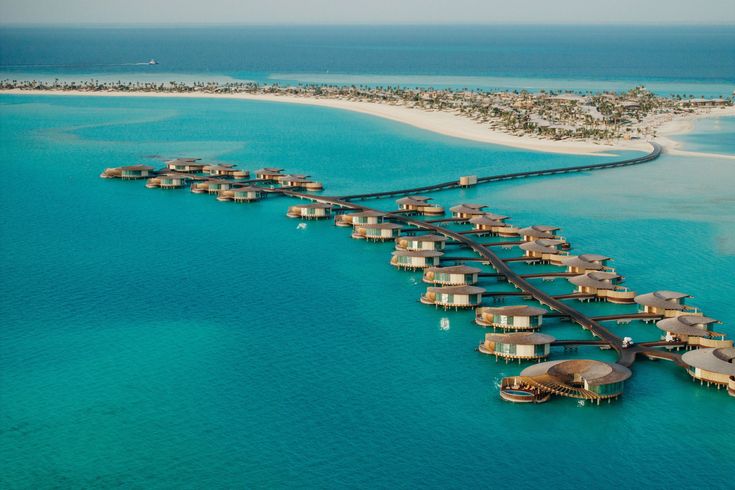
Saudi Arabia is rewriting the rules of luxury travel, and the Red Sea coastline is where that transformation is most visible. With a string of high-profile resort openings confirmed for 2026, a growing number of budget-conscious travellers discovering Gulf summers, and the Amaala wellness destination inching closer to its full debut, this is one of the most exciting regions to watch in global tourism right now. Whether you are planning a splurge or stretching every dollar, here is everything you need to know.
Red Sea Resorts Opening in 2026
Saudi Arabia’s Most Ambitious Tourism Project Is Taking Shape
The Red Sea Project is not just a resort development — it is one of the largest and most ambitious tourism undertakings ever attempted anywhere in the world. Spanning a vast stretch of Saudi Arabia’s northwest coastline across more than 90 islands, the project is being developed under the NEOM and Red Sea Global umbrella as part of Vision 2030, the kingdom’s sweeping plan to diversify its economy away from oil revenue and toward global tourism.
Phase one of the Red Sea Project delivered its first properties in 2023, but 2026 marks a genuinely significant acceleration. New resort openings this year include properties from internationally recognised luxury brands, each designed to sit lightly within the environment. The entire destination operates under a strict sustainability framework — the Red Sea coastline is one of the most ecologically sensitive in the world, home to rare coral ecosystems, sea turtle nesting grounds, and migratory bird habitats, and the development mandate requires that these remain intact.
What Kind of Resorts Are Opening?
The properties opening across the Red Sea destination in 2026 span several tiers, though the dominant tone is unambiguously luxury. Expect overwater villas, private beach access, snorkelling and diving experiences on some of the world’s least-disturbed reefs, and a strong emphasis on privacy and exclusivity that appeals directly to high-net-worth travellers who have exhausted the Maldives and Seychelles.
Several resorts are built across standalone islands accessible only by private boat or seaplane, reinforcing the sense of genuine escape that the destination is positioning itself around. Spa facilities, wellness programming, and curated cultural experiences drawing on Saudi heritage are embedded into almost every property. This is not a beach-and-pool destination in the conventional sense — it is being designed as a full immersion in a landscape that most of the world has never had access to before.
Who Is This For Right Now?
Honestly, in 2026 the Red Sea destination is primarily for premium travellers. Nightly rates at flagship properties start high and climb quickly. That said, the opening of more properties naturally introduces more competition, and early travellers willing to visit during the summer shoulder season will find promotional pricing that does not reflect the destination’s long-term rate trajectory. If you want to experience the Red Sea before the world catches up, this year is the window.
Budget Gulf Summer Travel: It Is More Possible Than You Think
Why Summer Is the Gulf’s Best-Kept Secret
Summer carries a reputation in the Gulf that is only partially deserved. Yes, temperatures in July and August across Dubai, Riyadh, and Jeddah are intense. But that intensity is precisely why prices drop, crowds thin, and savvy travellers find extraordinary value. Gulf cities are engineered for heat — the malls, hotels, restaurants, and attractions are so thoroughly air-conditioned that the outdoor temperature becomes largely irrelevant for much of your stay.
Summer 2026 is shaping up to be particularly good for budget travellers for reasons beyond the usual seasonal pricing. The regional disruptions earlier this year softened demand across the Gulf tourism sector, and hotels and airlines are pricing aggressively to rebuild occupancy. That combination of off-peak summer rates and post-crisis recovery pricing creates a genuine sweet spot for anyone with flexibility in their travel dates.
Where to Find Real Value This Summer
Dubai remains the most accessible Gulf destination for international travellers on a mid-range budget. Summer hotel rates in Dubai drop by 40 to 60 percent compared to the peak winter season, and that applies across categories from three-star city hotels right up to five-star beachfront properties. Many hotels bundle breakfast, dining credits, and pool access into summer packages that represent significantly better overall value than their headline nightly rates suggest.
Jeddah is increasingly worth considering as a standalone summer destination, particularly for travellers interested in Red Sea access without Red Sea Project pricing. The city’s historic Al-Balad district, waterfront corniche, and rapidly expanding restaurant scene make it a genuinely compelling urban destination. Hotels here price more affordably than Dubai, and domestic Saudi tourism is strong, meaning infrastructure and hospitality standards have risen sharply over the past few years.
Practical Tips for Booking a Budget Gulf Summer
Book flights as early as possible and prioritise carriers with flexible change policies. Emirates, flydubai, Air Arabia, and flynas all operate competitive fares on major Gulf routes, and promotional sales during the spring booking window can cut costs significantly. Travel between Sunday and Wednesday for cheaper fares, avoid school holiday windows in late July and August when regional family travel spikes prices, and always book hotels with free cancellation so you retain the ability to reprice if better deals emerge closer to your travel date.
Amaala Wellness Retreat: The Complete Guide
What Is Amaala and Why Is Everyone Talking About It?
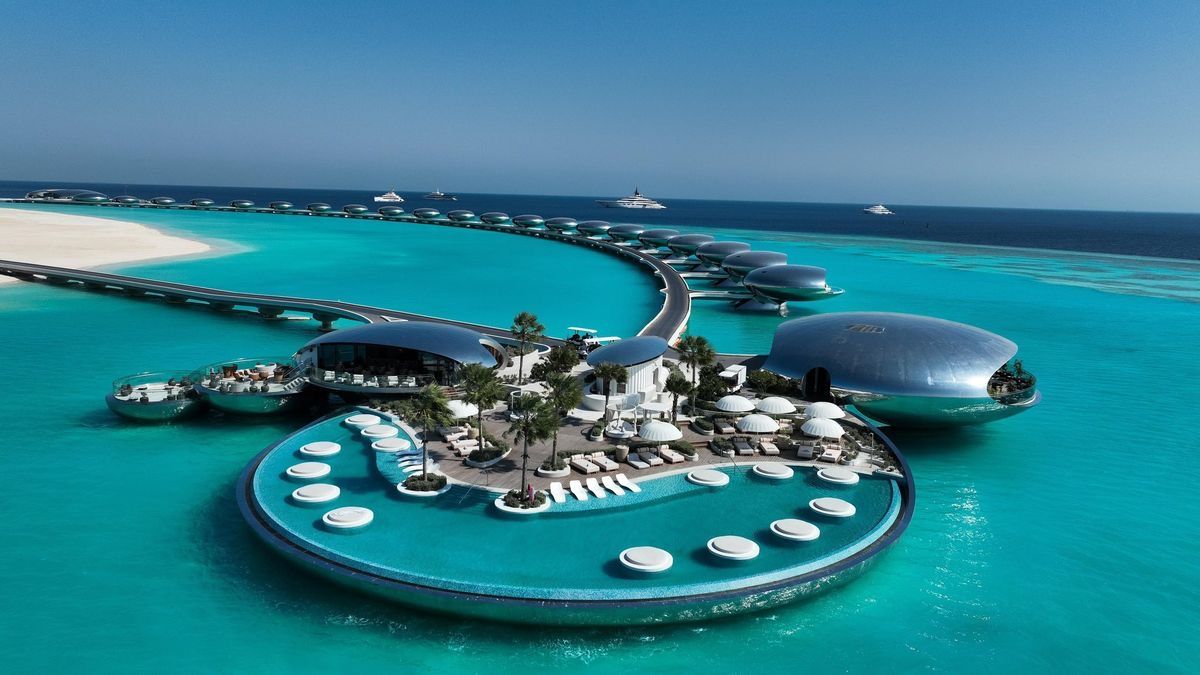
Amaala is one of the most intriguing hospitality concepts to emerge from Saudi Arabia’s Vision 2030 programme. Positioned as a ultra-luxury wellness and arts destination on the Umluj coast of the northwest Red Sea, Amaala is being developed as a place where serious wellness, elite sport, and fine arts intersect in a setting of extraordinary natural beauty. It is not trying to be the Red Sea Project — it is positioned as something more intimate, more focused, and more intentional.
The destination covers three distinct zones: Triple Bay, which is the primary hub for wellness and residential experiences; the Marina, which caters to yachting and nautical lifestyles; and Sheybarah Island, a more remote cluster of overwater accommodations. Together these zones form a destination designed to attract a global audience interested in longevity, mental clarity, and physical transformation rather than conventional beach tourism.
The Wellness Experience at Amaala
Wellness at Amaala is not superficial spa programming. The destination is being designed around evidence-based health and longevity concepts, integrating nutrition science, movement practices, sleep optimisation, and mental wellness into structured retreat programmes. Several properties are expected to partner with globally recognised wellness brands and medical longevity clinics, offering programmes that blend preventive medicine with luxury hospitality in a way that very few destinations in the world currently do.
The natural environment amplifies the wellness offering considerably. The Red Sea coastline here is exceptionally clean and largely undiscovered. Freediving, yoga on secluded beaches, guided desert meditation experiences, and marine biology excursions are all part of what Amaala is building into its guest programming. The idea is that the landscape itself is therapeutic, and the resort infrastructure simply frames and supports that experience.
When Can You Actually Visit Amaala?
Amaala is in phased development, with initial properties accepting guests in 2026. The full vision will take several more years to complete, but early access is available and some wellness retreats are already operational in limited capacity. If you are considering a visit in 2026, book well in advance — availability is genuinely limited at this stage and demand from high-end wellness travellers globally is already strong.
Pricing reflects the ultra-luxury positioning, but multi-night wellness packages often represent better per-night value than standalone bookings. Look for five to seven night retreat packages that bundle accommodation, programming, meals, and wellness consultations into a single price.
Final Word
The Red Sea coastline in 2026 is one of the most compelling new destinations in global travel. From the sweeping resort openings reshaping Saudi Arabia’s tourism identity, to the budget opportunities hiding inside Gulf summer pricing, to the focused wellness vision of Amaala, there is something here for travellers across a wide range of interests and budgets. The window to experience this region before mainstream tourism fully arrives is still open — but it will not stay that way for long.