The Gulf is no longer just about skyscrapers, shopping malls, and five-star beach resorts. A quieter, more thoughtful kind of travel is gaining serious momentum across the region in 2026. Oman’s desert tented camps are offering immersive wilderness stays, eco-conscious travellers are finding the Gulf more green-friendly than expected, and Sharjah is quietly emerging as one of the most culturally rich and underrated destinations in the UAE. Here is your complete guide to all three.
Malkai Tented Camps Oman: An Honest Review
What Is Malkai and Where Is It Located?
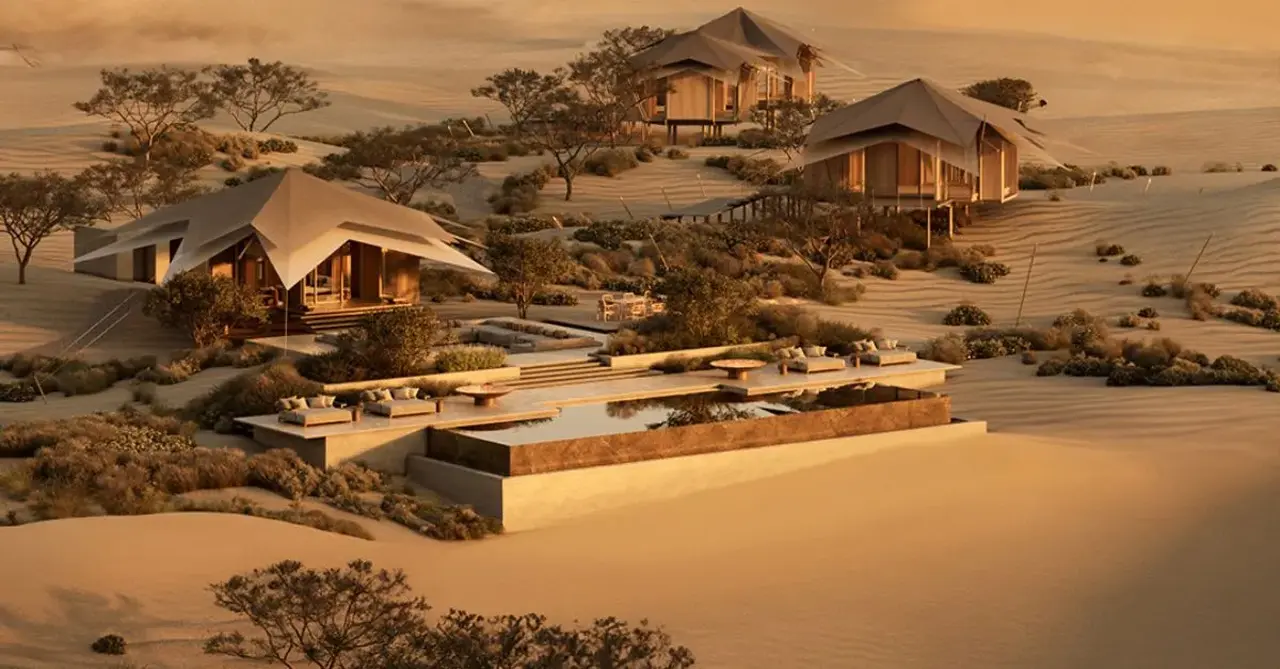
Malkai Tented Camps is one of Oman’s most talked-about desert glamping experiences, situated in the Wahiba Sands desert — also known as Sharqiyah Sands — approximately three hours’ drive southeast of Muscat. The Wahiba Sands is a vast sea of rolling orange and red dunes stretching over 12,000 square kilometres, and Malkai positions itself deep enough into the desert that the surrounding landscape feels genuinely remote and untouched by the modern world.
The camp caters to travellers who want an authentic desert experience without sacrificing comfort entirely. It sits in a sweet spot between basic Bedouin camp and over-engineered luxury resort, offering canvas tented accommodation with proper beds, ceiling fans, and private bathroom facilities while retaining the open-sky atmosphere and desert silence that makes Wahiba Sands so compelling.
The Accommodation Experience
Tents at Malkai are spacious and thoughtfully fitted, with traditional Omani textiles, handwoven rugs, and low wooden furniture that grounds the aesthetic in local craft rather than generic resort design. The camp operates without excessive lighting at night, which means the star visibility from the Wahiba Sands is extraordinary — one of the genuinely memorable sensory experiences the desert offers that no hotel room can replicate.
Pricing for Malkai sits at approximately OMR 45 to 65 per person per night on a half-board basis, which includes dinner and breakfast prepared with locally sourced ingredients. The camp also offers full-board packages from around OMR 75 per person that include afternoon refreshments, making it excellent value given the remoteness of the location and the quality of the food served.
Activities and What to Expect
The activity programming at Malkai is genuinely well-curated. Morning and evening camel rides across the dunes are included in the base rate. Guided dune walks with camp staff who explain desert ecology, Bedouin navigation traditions, and local plant knowledge add real depth to what could otherwise be a purely visual experience. Sandboarding is available for guests who want something more physically engaging, and guided 4×4 dune bashing excursions can be arranged at an additional cost of approximately OMR 12 to 18 per person.
One highlight that distinguishes Malkai from more commercial Wahiba Sands camps is its connection with a nearby Bedouin family community. Optional village visits allow guests to share tea, learn about traditional date cultivation, and observe or participate in craft practices that have survived in the desert for generations. This community connection feels genuine rather than staged and is the kind of experience that stays with you long after the trip ends.
Who Should Book Malkai?
Malkai works best for travellers who genuinely want to disconnect, slow down, and absorb the desert rather than treat it as a backdrop for photographs. Couples, solo travellers, and small groups will find the intimate camp atmosphere particularly rewarding. Families with older children also do well here. It is not the right choice for travellers who require air conditioning, strong Wi-Fi, or resort-style amenities — the experience is deliberately simple, and that simplicity is the entire point.
Bookings can be made directly through the Malkai Tented Camps website or through Omani adventure travel specialists including Desert Discovery Tours Oman, which packages Malkai stays with Wahiba Sands transport from Muscat from approximately USD 180 per person including transfers.
Green Gulf Travel Tips: Travelling Sustainably in 2026
Is Sustainable Travel Even Possible in the Gulf?
The Gulf has not traditionally been associated with eco-conscious travel, and that perception is not entirely without basis. The region’s energy consumption, infrastructure scale, and reliance on desalinated water create a genuine environmental footprint. But 2026 tells a more nuanced story. Across the UAE, Oman, and Saudi Arabia, sustainability frameworks are being embedded into tourism development in ways that were not visible even three years ago.
Practical Green Travel Tips for Gulf Visitors
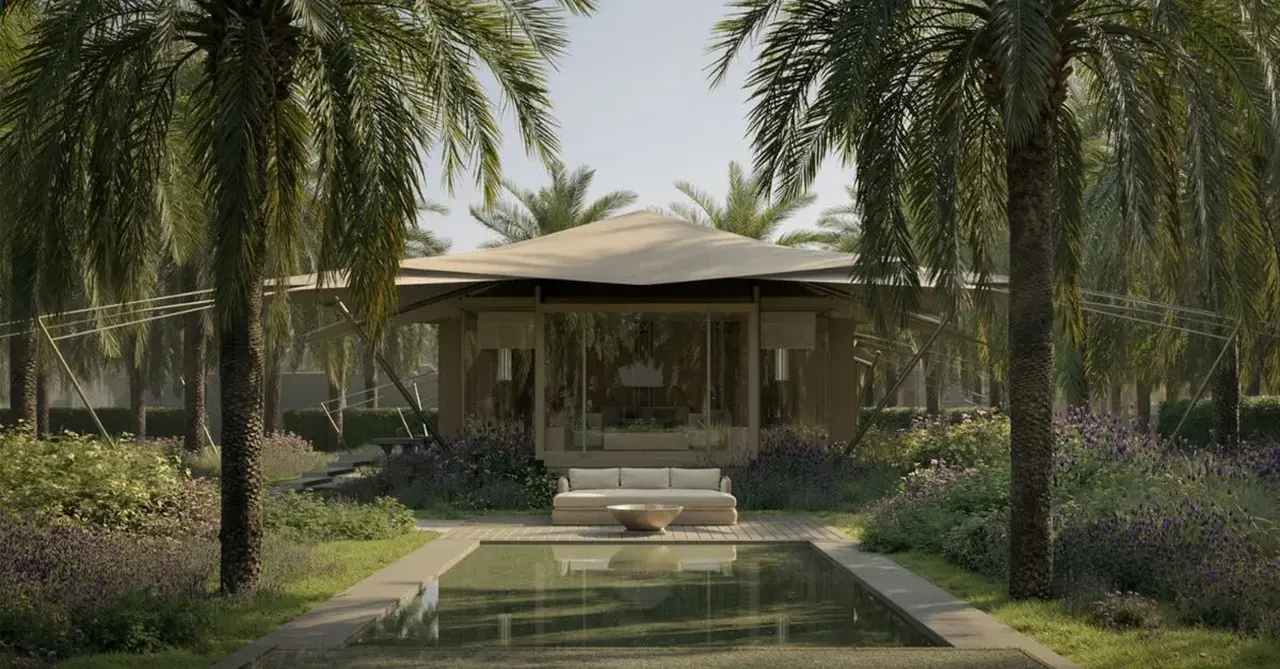
Choosing accommodation with credible sustainability certifications makes a real difference. In Oman, the Six Senses Zighy Bay in the Musandam Peninsula operates under a comprehensive environmental programme covering solar energy, organic food production, and coral restoration, with rates from approximately USD 700 per night. For a more accessible price point, the Alila Jabal Akhdar in the Green Mountain operates a strong sustainability programme with rooms from around USD 350 per night.
In Dubai, the sustainable accommodation options are expanding. The ibis One Central operates as one of the UAE’s first budget hotels with a verified green certification, offering rooms from approximately USD 70 per night for travellers who want eco-conscious choices without premium pricing. The hotel manages waste, water, and energy consumption against certified targets and publishes its environmental performance data openly.
Transportation choices matter enormously in the Gulf. Dubai’s metro system is one of the most efficient in the world and covers most major tourist and business districts at a fraction of the cost and carbon footprint of taxis. Using the Nol card for metro and bus travel in Dubai, and ROP-licensed shared taxis in Oman rather than private hire vehicles, significantly reduces your travel footprint across an itinerary.
Carrying a reusable water bottle is practical and impactful. Single-use plastic consumption in the Gulf is high, and most hotel lobbies, malls, and attractions have filtered water refill points that are free to use. Simple habits compound meaningfully over a week-long trip.
Operators Offering Eco-Focused Gulf Itineraries
Tribal Tracks Oman specialises in low-impact adventure travel through Oman’s natural landscapes, with multi-day trekking packages in the Al Hajar mountains from approximately USD 220 per person including guide, accommodation, and meals. Their operations prioritise local community employment and minimal environmental disturbance.
Responsible Travel UAE offers curated sustainable travel itineraries across the Emirates, focusing on nature reserves, cultural heritage sites, and locally owned accommodation. Day tours start from approximately USD 85 per person and include transport on low-emission vehicles where available.
Sharjah Hidden Gems: The UAE’s Most Underrated Emirate
Why Sharjah Deserves More Credit
Sharjah sits directly adjacent to Dubai but operates in a completely different register. As the UAE’s designated cultural capital, it invests heavily in museums, heritage preservation, performing arts, and public art in ways that its glitzier neighbour simply does not prioritise. For travellers who want to understand the UAE beyond its commercial surface, Sharjah is essential and almost entirely crowd-free compared to Dubai’s tourist hotspots.
The Sharjah Museum of Islamic Civilization
This is one of the finest museums of its kind in the world and is consistently overlooked by international visitors who never make it past Dubai. Housed in a beautifully restored souq building on the Sharjah Creek waterfront, the museum holds over 5,000 artefacts spanning Islamic art, science, astronomy, and navigation across fourteen centuries. Entry costs just AED 15 for adults, making it one of the best-value cultural experiences in the entire Gulf. The building’s central dome is one of the most breathtaking interior spaces in the UAE.
Al Noor Island and the Butterfly House
Al Noor Island sits in the middle of Khalid Lagoon in central Sharjah and is connected to the mainland by a short footbridge. The island’s landscape architecture is deliberately dreamlike — lit pathways through manicured gardens, large-scale outdoor art installations, and a butterfly house that holds over 500 live butterfly species from across the world. Entry to the butterfly house costs AED 25 for adults and the island itself is free to explore. It is most beautiful in the early evening when the illumination comes alive and the lagoon reflects the light.
The Heart of Sharjah Heritage District
The Heart of Sharjah is an ongoing heritage restoration project transforming the emirate’s historic core into a walkable district of traditional coral-stone architecture, artisan workshops, independent cafes, and cultural venues. The Al Arsah Souq within the district is one of the oldest traditional markets in the UAE, selling handmade silver jewellery, Omani khanjar daggers, frankincense, and woven textiles at prices far more reasonable than anything in Dubai’s tourist markets.
Sharjah Tourism and Commerce Development Authority offers free walking tour maps of the heritage district through its visitor centres, and guided group tours of the Heart of Sharjah run on selected days for AED 50 per person including entry to several heritage houses along the route.
Final Word
Malkai Tented Camps offers one of Oman’s most honest and rewarding desert experiences for travellers willing to embrace simplicity. Green travel across the Gulf is increasingly viable with the right operators and habits. And Sharjah, for those who make the short journey from Dubai, delivers a cultural richness that the whole UAE is nominally built on but only one emirate has truly preserved. In 2026, the Gulf rewards curious travellers more than ever before.