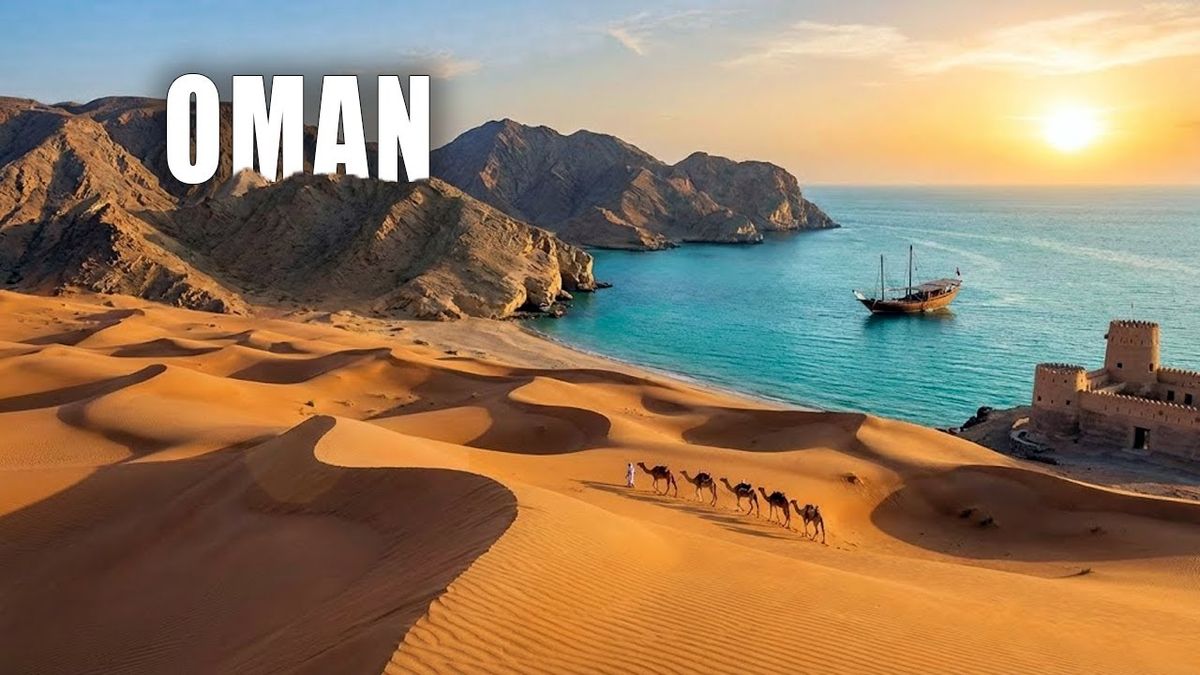
The Gulf and Arabian Peninsula have always offered something beyond glittering skylines and luxury malls. In 2026, the region is leaning harder into its natural landscapes, cultural depth, and experiential travel than ever before. Oman’s untouched wadis and mountain villages are drawing eco-conscious explorers, Dubai’s Wynn Bridge is redefining the city’s entertainment horizon, and desert safari operators are delivering experiences that go far beyond a dune buggy ride. Here is your complete guide to all three.
Oman Eco-Tourism: Hidden Gems Worth Discovering
Why Oman Is the Gulf’s Best-Kept Secret
While Dubai and Riyadh dominate the regional headlines, Oman quietly offers some of the most spectacular and least-crowded natural landscapes in the entire Middle East. The country is enormous in geographic variety — dramatic mountain ranges, pristine wadis, ancient falaj irrigation systems, empty desert dunes, and a coastline that stretches for over 3,000 kilometres. What makes Oman particularly special for eco-travellers in 2026 is the government’s deliberate approach to low-impact tourism development that preserves rather than commercialises its natural assets.
Wadi Shab and Wadi Bani Khalid
These two wadis in the eastern Hajar mountains represent Oman at its most breathtaking and most accessible. Wadi Bani Khalid offers year-round water flow, unusual for the region, with natural pools surrounded by date palms and ancient stone villages perched on the hillside above.
Both wadis charge minimal entry fees of around OMR 1 to 2 per person, making them genuinely budget-friendly. Local eco-guides can be hired at the entrance points for approximately OMR 10 to 15 for a half-day experience, offering ecological and cultural context that transforms the visit from a swim into an education.
Jebel Akhdar and the Green Mountain Villages
Jebel Akhdar, meaning the Green Mountain, sits at over 2,000 metres elevation in the Al Hajar range and hosts a microclimate so different from the surrounding desert that roses, pomegranates, and apricots grow in terraced gardens clinging to near-vertical cliff faces. The ancient village of Al Ain on Jebel Akhdar is one of the most photogenic and culturally authentic settlements in the Gulf, with stone houses built directly into the mountain and a community that has farmed the same terraces for centuries.
Stays in the area are handled by Alila Jabal Akhdar, a luxury cliff-edge resort offering rooms from around USD 350 per night, and several more affordable guesthouses in the villages below charging OMR 25 to 40 per night. For eco-travellers, the guesthouse option delivers genuine community tourism value and a more authentic connection to the landscape.
Ras Al Jinz Turtle Reserve
On Oman’s eastern tip, Ras Al Jinz is one of the largest green turtle nesting sites in the Indian Ocean. Guided night tours run daily throughout the nesting season, allowing visitors to witness nesting or hatching events under the supervision of conservation rangers. The Ras Al Jinz Scientific and Visitor Centre manages the site and charges approximately OMR 7 per adult for the guided night experience. Booking in advance through the official visitor centre website is essential as group sizes are strictly limited to protect the turtles.
Salalah and the Khareef Season
Oman’s southern Dhofar region transforms between June and September when the khareef monsoon rolls in from the Indian Ocean, turning the landscape impossibly green. Salalah during this period looks nothing like any other destination in the Gulf — waterfalls cascade from misty cliffs, cattle graze on hillsides that resemble the Irish countryside, and the beaches are dramatic and wild. Oman Air operates regular flights from Muscat to Salalah from around USD 60 one-way, and hotel rates during the khareef are among the most competitive in the region despite strong domestic demand.
Wynn Bridge Dubai: What the Opening Means for Visitors
A New Landmark on Dubai’s Horizon
The Wynn Al Marjan Island resort in Ras Al Khaimah has been one of the most anticipated hospitality openings in the Gulf for several years, and 2026 brings its signature bridge and connecting infrastructure into focus as the broader development reaches operational maturity. The Wynn brand brings with it world-class gaming, entertainment, dining, and spa facilities to a destination that is positioning itself as the region’s premier integrated resort experience.
The bridge itself is an architectural statement — a sweeping pedestrian and vehicular connection linking the resort island to the mainland with lighting and design features intended to become a recognisable symbol of Ras Al Khaimah’s tourism ambition. For visitors, it means seamless access to what is rapidly becoming one of the most complete resort destinations in the Middle East.
What to Expect at Wynn Al Marjan
The resort features multiple hotel towers with several thousand rooms across different pricing tiers, an extensive spa facility, a beach club, multiple signature restaurants from internationally recognised culinary names, and entertainment programming designed to run throughout the day and evening. Room rates start from approximately USD 300 per night for standard rooms, climbing significantly for suite and villa categories. The resort is positioned roughly 45 minutes from Dubai International Airport, making it viable as either a standalone destination or a complement to a broader UAE itinerary.
Desert Safari Guide: Companies, Prices, and What to Expect
Understanding Your Desert Safari Options
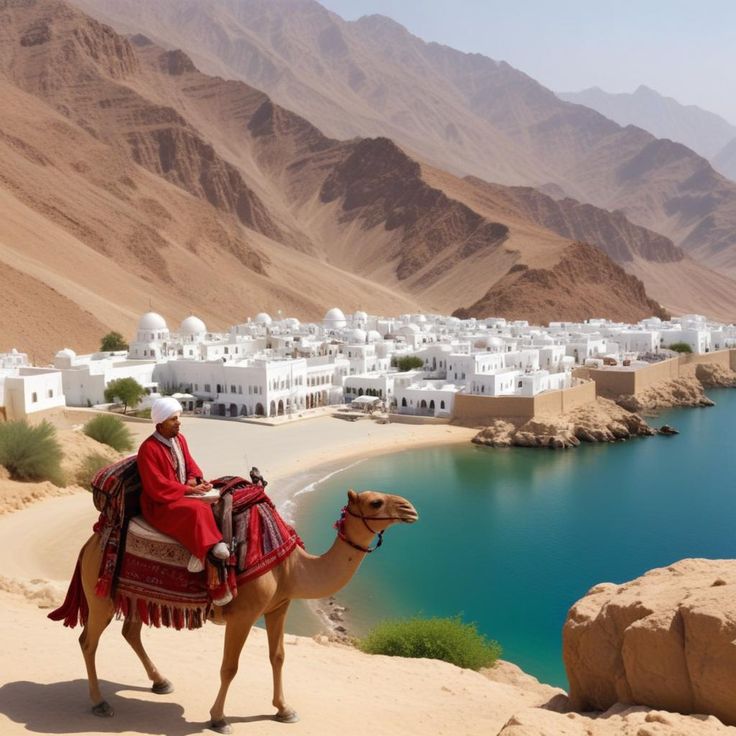
Desert safaris in Dubai and the wider UAE come in several distinct formats, and understanding the differences before booking saves money and prevents disappointment. The main categories are evening dune bashing safaris, overnight desert camping experiences, morning quad biking or sandboarding sessions, and premium private desert dining experiences.
Top Desert Safari Companies and Their Prices
Arabian Adventures is one of the most established operators in Dubai, backed by Emirates Group. Their standard evening desert safari runs from approximately USD 75 per adult and includes dune bashing, camel riding, sandboarding, a barbecue dinner, and cultural entertainment including tanoura dancing and henna. Private vehicle upgrades are available from around USD 180 per person.
Platinum Heritage specialises in premium and conservation-focused desert experiences. Their vintage Land Rover sunrise safari with falconry demonstration and luxury breakfast in the dunes runs from approximately USD 200 per adult and is widely regarded as one of the most authentic desert experiences available in the UAE. This operator is particularly strong for eco-conscious travellers who want cultural depth alongside the landscape experience.
OceanAir Travels offers competitive mid-range evening safaris from around USD 45 per adult, making them a popular choice for budget-conscious travellers who still want the full dune bashing and dinner experience. Group sizes tend to be larger, which affects the intimacy of the experience but not the quality of the entertainment or food.
Dune Buggy Dubai caters specifically to thrill-seekers wanting self-drive dune buggy experiences across the Lahbab red dunes. Half-day sessions start from approximately USD 120 per person including a guide vehicle and safety briefing. This is one of the most exhilarating ways to experience the desert independently without being part of a large group tour.
What Every Desert Safari Should Include
Regardless of operator and price point, a well-run evening desert safari should include dune bashing in a 4×4 vehicle with a trained driver, at minimum one cultural activity such as camel riding or falconry, a sunset viewing stop, and a dinner experience either at a camp or under open sky. Any reputable operator will carry full insurance, employ professionally licensed drivers for the dune bashing segment, and provide clear cancellation and rebooking terms.
Always book directly through the operator’s official website or a verified platform to avoid inflated third-party pricing. Tipping your dune bashing driver USD 5 to 10 is standard practice and genuinely appreciated.
Final Word
Oman’s hidden eco-tourism landscape, Dubai’s expanding entertainment horizon with the Wynn development, and the desert safari market’s wide range of operators and price points together paint a picture of a Gulf region with far more depth than its luxury reputation suggests. Whether you are tracking green turtles on an Omani beach at midnight, crossing a glittering bridge into a world-class resort, or launching off a red dune at sunset, the Gulf in 2026 rewards travellers who look beyond the obvious.