
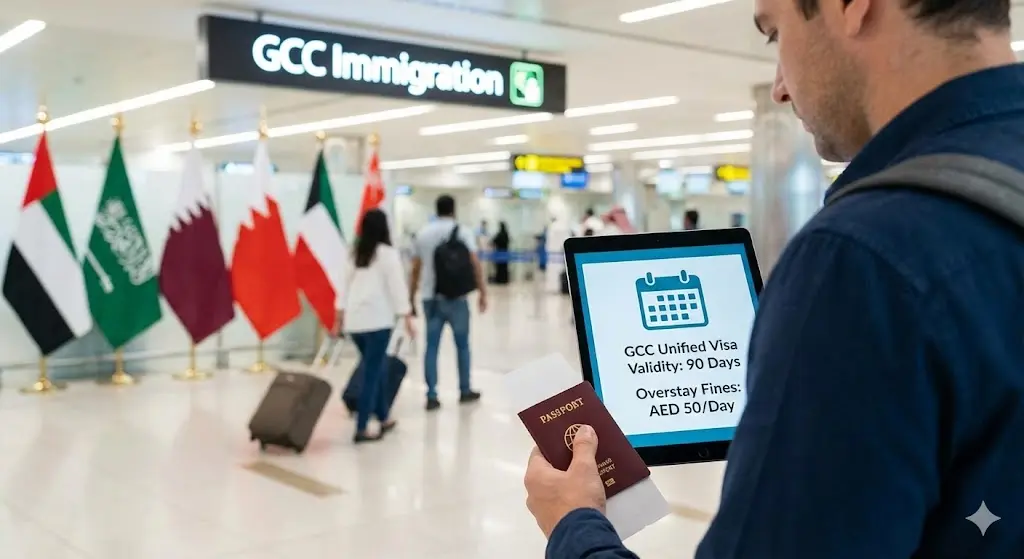
Travel across the Gulf region is becoming easier with the introduction of the GCC Unified Visa. This visa is designed to simplify travel between Gulf Cooperation Council countries by allowing visitors to move across multiple destinations using a single visa. For travelers, this means less paperwork, smoother border movement, and better planning for multi-country trips.
However, understanding the validity period, stay limits, and overstay fines is critical. Many travelers face issues not because of bad intentions, but because they misunderstand visa rules. This guide explains everything travelers need to know in a clear and practical way.
What Is the GCC Unified Visa?
The GCC Unified Visa is a single-entry or multi-entry visa that allows eligible travelers to visit multiple GCC countries under one permit. These countries include:
-
United Arab Emirates
-
Saudi Arabia
-
Qatar
-
Bahrain
-
Kuwait
-
Oman
The main goal of the unified visa is to support tourism, business travel, and regional mobility while maintaining security and immigration control.
For travelers planning a regional tour, business meetings, or family visits across the Gulf, this visa reduces the need to apply for separate visas for each country.
GCC Unified Visa Validity Period
The validity period refers to how long the visa remains active from the date it is issued. This is different from the length of stay.
General Validity Structure
While exact terms may vary based on nationality and visa type, the GCC Unified Visa typically includes:
-
A fixed validity window (for example, several weeks or months from issuance)
-
A maximum stay duration within that validity period
This means travelers must enter the GCC region within the visa validity period and must leave before the allowed stay duration ends.
Why Validity Period Matters
Many travelers confuse validity with stay duration. This leads to accidental overstays.
For example:
-
A visa may be valid for 60 days
-
But the allowed stay may only be 30 days
If a traveler stays beyond the permitted days, even if the visa itself is still valid, overstay fines can apply.
Understanding this difference helps travelers avoid penalties and travel disruptions.
Length of Stay Across GCC Countries
The unified visa allows movement across participating GCC states, but total stay days are counted carefully.
Important points for travelers:
-
The stay limit applies to the entire GCC region, not per country
-
Time spent in one GCC country counts toward the total stay
-
Border crossings within the GCC do not reset the stay limit
Travelers should track their entry and exit dates carefully, especially when visiting multiple countries.
Overstay Fines in GCC Countries
Overstaying a visa is taken seriously across the Gulf region. Even a short overstay can result in fines, travel restrictions, or future visa issues.
What Is an Overstay?
An overstay occurs when:
-
A traveler remains beyond the allowed stay duration
-
Or fails to exit before the visa expires
Overstay rules apply even if the traveler did not intend to break the law.
Common Overstay Consequences
Across GCC countries, overstay penalties may include:
-
Daily overstay fines
-
Additional administrative fees
-
Delays at exit points
-
Possible travel bans
-
Difficulty obtaining future visas
The longer the overstay, the higher the penalty and risk.
How Overstay Fines Are Calculated
Overstay fines are usually calculated per day. The amount can vary by country and visa type, but the structure is similar across the GCC.
Key factors include:
-
Number of days overstayed
-
Visa category
-
Previous immigration history
Some countries may allow payment at the airport, while others require settlement before departure approval.
Why Travelers Must Be Extra Careful With a Unified Visa
Because the GCC Unified Visa covers multiple countries, travelers sometimes lose track of time. This is one of the most common reasons for overstays.
Risks include:
-
Assuming each country allows a fresh stay period
-
Forgetting the original entry date
-
Misunderstanding exit requirements
The unified system offers convenience, but it also requires responsibility.

Tips to Avoid Overstay Fines
To stay compliant and avoid fines, travelers should follow these practical tips:
1. Track Entry and Exit Dates
Always note the first entry date into the GCC region. This date usually starts the stay counter.
2. Keep Digital and Physical Copies
Save visa documents, entry stamps, and travel confirmations on your phone and in print.
3. Set Reminders
Set calendar alerts several days before your allowed stay ends.
4. Plan Exit Early
Avoid waiting until the last day to exit, especially during busy travel seasons.
5. Check Country-Specific Rules
While the visa is unified, each country may have specific exit or extension procedures.
Can the GCC Unified Visa Be Extended?
Visa extensions depend on:
-
Nationality
-
Visa category
-
Country regulations
Some GCC countries may allow extensions under certain conditions, while others may require exit and reapplication. Travelers should never assume extensions are automatic.
Always check official immigration channels before the stay expires.
Benefits of Understanding Visa Rules
Travelers who understand the GCC Unified Visa rules enjoy:
-
Stress-free travel
-
Smooth border crossings
-
No surprise fines
-
Better future visa approval chances
Immigration compliance builds a positive travel record, which is valuable for frequent travelers.
Impact on Tourism and Business Travelers
The GCC Unified Visa supports:
-
Regional tourism growth
-
Multi-city business travel
-
Short-term family visits
-
Event-based travel
For business travelers, overstays can damage professional schedules and corporate travel plans. For tourists, fines can turn a great trip into a costly experience.
Knowing the rules protects both time and money.
Final Thoughts for Travelers
The GCC Unified Visa is a major step toward easier regional travel. It offers flexibility, convenience, and access to multiple destinations under one visa. However, with that flexibility comes responsibility.
Understanding the visa validity period, allowed stay duration, and overstay fines is essential for every traveler. Overstays, even unintentional ones, can lead to fines, delays, and future travel problems.
By planning ahead, tracking dates, and respecting immigration rules, travelers can fully enjoy everything the GCC region has to offer—without complications.
If you are planning a GCC trip, treat visa rules as part of your travel planning, just like flights and accommodation. It will save you time, money, and unnecessary stress.