
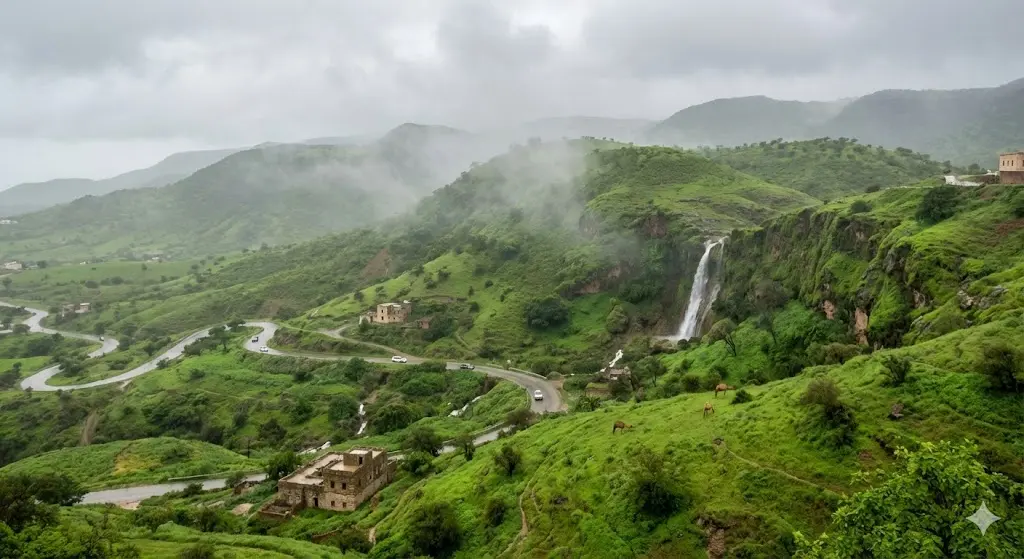
If you think the Arabian Peninsula is all desert landscapes and scorching heat, think again. Hidden in the southern part of Oman lies Salalah, a city that transforms into a lush, misty paradise every year during the Khareef season, also known as the monsoon season. From mid-June to mid-September, the region experiences a dramatic climatic shift that turns arid plains into green mountains, dry valleys into flowing waterfalls, and dusty beaches into mist-kissed coastlines. Visiting Salalah during this magical period is an experience unlike any other in the Arabian Peninsula.
What Is the Khareef Season?
The Khareef, or monsoon, is a unique climatic phenomenon in Dhofar, the southern governorate of Oman where Salalah is located. Unlike the typical summer heat elsewhere in the region, the Khareef brings:
-
Cooler temperatures: Average daytime temperatures range between 25–30°C (77–86°F), a welcome relief from the scorching Gulf heat.
-
Continuous drizzle and mist: Light rains and fog create a dreamlike landscape, ideal for scenic drives and photography.
-
Vegetation revival: Mountains and valleys burst into greenery, giving Salalah a distinctly tropical feel.
This seasonal transformation is rare in the Arabian Peninsula, making Salalah one of the few destinations in the region where monsoon-inspired greenery and waterfalls exist naturally.
Why Salalah Is a Monsoon Paradise
Salalah during the Khareef is not just about weather—it’s a full sensory experience. Here’s why it’s worth planning a trip around this season:
1. Lush Green Landscapes
The mountains surrounding Salalah, including the famous Dhofar Mountains, are carpeted in vibrant green during the Khareef. Valleys such as Wadi Darbat and Wadi Shuwaymiyah come alive with flowing streams, lakes, and natural pools. This sudden greenery amidst the typically arid Arabian landscape makes for breathtaking scenery and rare photo opportunities.
2. Waterfalls and Streams
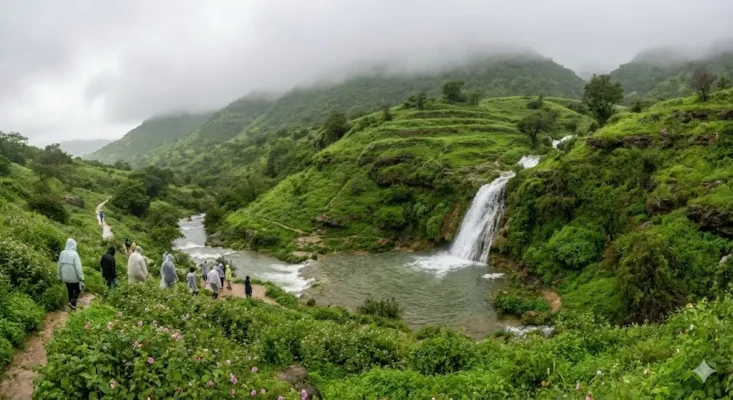
Khareef transforms dry wadis (valleys) into flowing waterways. Ayn Athum Waterfall and the springs at Wadi Darbat become cascading streams that attract both locals and tourists. These spots are perfect for picnics, short hikes, or simply soaking in the serenity of nature.
3. Unique Wildlife and Flora
The monsoon supports a variety of plants and wildlife that are dormant during the rest of the year. Wildflowers, frankincense trees, and tropical shrubs bloom across the region, and birdwatchers can spot migratory species that visit Dhofar during this season.
4. Cooler, Comfortable Climate
Compared to the sweltering summers in Oman’s north or the Gulf states, Khareef provides a refreshing climate ideal for outdoor exploration. From hiking to sightseeing to enjoying the beaches, travelers can engage in activities without the discomfort of extreme heat.
Activities Not to Miss During Khareef
Visiting Salalah during the monsoon is about experiencing the land at its most vibrant. Here are some must-do activities:
Explore Wadi Darbat
A short drive from Salalah, Wadi Darbat is arguably the jewel of Dhofar. The lush valley features waterfalls, natural pools, and walking trails. Renting a boat or having a picnic near the flowing streams is an unforgettable way to experience the monsoon magic.
Drive Through the Green Mountains
The Qara Mountains and surrounding highlands are perfect for scenic drives. Misty roads, cascading streams, and views over verdant valleys create a cinematic journey—ideal for photography or simply soaking in nature.
Visit the Beaches
While Salalah’s beaches are beautiful year-round, the monsoon adds a mystical ambiance. Mughsail Beach, famous for its blowholes and cliffs, is particularly enchanting when shrouded in mist. Just be mindful of strong currents during rainy periods.
Discover Frankincense Heritage
Dhofar is historically famous for frankincense. Visiting the Al-Baleed Archaeological Park or local plantations during the Khareef offers a sensory experience—lush landscapes surrounding ancient trees emitting fragrant sap.
Attend Khareef Festivals
These gatherings provide insight into Dhofar’s unique heritage and give travelers a chance to interact with locals while enjoying seasonal delicacies like coconut-based dishes and fresh seafood.
Practical Tips for Visiting Salalah During the Monsoon
To make the most of your trip, it’s important to plan for the unique conditions of the Khareef:
-
Pack layers: Temperatures can drop in the mornings and evenings, so a light jacket or sweater is recommended.
-
Bring waterproof gear: Light rain is frequent, so waterproof shoes and a compact umbrella will be useful.
-
Rent a car: Many attractions are spread out; driving allows flexibility and ease of access.
-
Check local advice: Some wadis or coastal areas may be restricted due to rainfall or flooding.
-
Book accommodations early: Khareef attracts tourists from across the GCC and beyond, so securing your stay in advance is recommended.
Why the Khareef Experience Is Unique in the Arabian Peninsula
What sets Salalah apart is its dramatic seasonal contrast. While much of the Arabian Peninsula endures heat and desert landscapes during summer, Salalah becomes a lush, tropical oasis. This rarity makes it a must-visit destination for travelers seeking something different—where monsoon clouds roll over green mountains, waterfalls glisten, and the air smells of rain and frankincense.
Final Thoughts
The vibrant greenery, flowing waterfalls, gentle rains, and cool weather combine to create a magical landscape unlike anywhere else in the Arabian Peninsula. Whether you are exploring misty wadis, lounging on serene beaches, or immersing yourself in local culture, a trip to Salalah in the monsoon promises memories that linger long after the season ends.
For travelers looking for a last-minute escape, a luxury getaway, or an adventure into nature’s unexpected beauty, Salalah during the Khareef is a once-in-a-year opportunity that cannot be missed.
The monsoon transforms the region from arid to astonishing, inviting visitors to experience the Arabian Peninsula in a way that feels both refreshing and enchanting.