A Westerner’s Guide to Ramadan 2026: What to Expect
Ramadan is a month that transforms daily life in Muslim-majority countries. Observed by millions around the world, it is a period of fasting, reflection, and community. For Westerners planning to visit, work, or live in such regions during Ramadan 2026, understanding what to expect is key to having a respectful, enjoyable, and culturally immersive experience.
This guide will walk you through the essentials of Ramadan, the unique rhythms of daily life, social etiquette, and tips for navigating the month while embracing its rich traditions.
Understanding Ramadan: More Than Fasting
Fundamentally, Ramadan is about far more than simply refraining from food and drink.From dawn to sunset, practicing Muslims refrain from eating, drinking, and other physical indulgences, focusing instead on spiritual growth, reflection, and acts of charity.
For visitors, it’s important to recognize that this period reshapes how people structure their days. Meals, social interactions, and even business hours are aligned with the rhythm of fasting. Observing these practices respectfully allows Western travelers to gain a deeper appreciation of the cultural and spiritual significance of the month.
Daily Life During Ramadan
During Ramadan, life moves to a different rhythm:
-
Pre-Dawn Meal (Suhoor): The day begins early with a meal called Suhoor, eaten before sunrise. Restaurants that remain open for this time offer a quiet, reflective start to the day.
-
Daytime Fast: From sunrise until sunset, most Muslims abstain from food and drink. Public areas may be quieter during the day, and restaurants often remain closed.
-
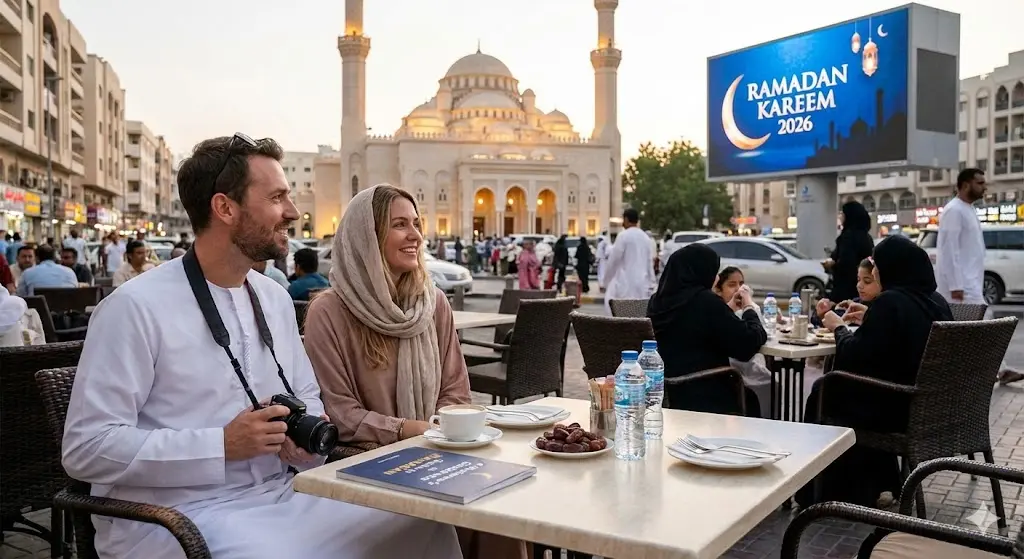
Iftar (Breaking the Fast): At sunset, fasting is broken with Iftar, often beginning with dates and water. Meals are larger and communal, and many hotels and community centers host elaborate spreads.
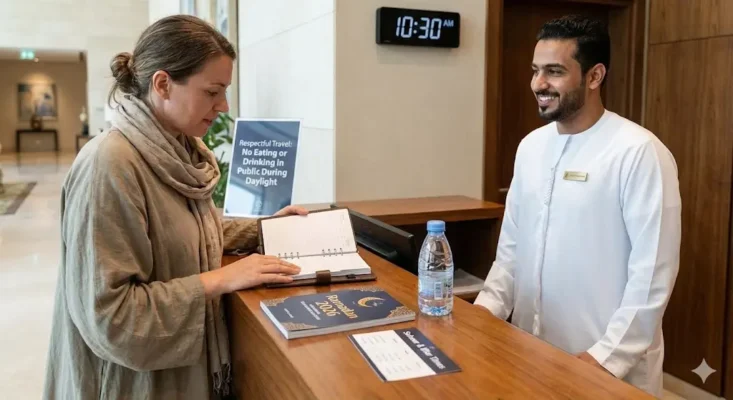
For Westerners, it is generally considered polite to avoid eating, drinking, or smoking in public during daylight hours, particularly in more conservative areas.
Work, Business, and Public Life
During Ramadan, professional and public routines shift:
-
Many offices and schools reduce working hours.
-
Shops and banks may open later in the morning and close earlier in the afternoon.
-
Public transport may operate on adjusted schedules, with peak activity around Iftar.
If you are conducting business, scheduling meetings earlier in the day and showing flexibility demonstrates cultural awareness and respect. Observing these adjustments also helps visitors align with local practices smoothly.
Social Etiquette for Western Visitors
Respectful behavior is key to enjoying Ramadan:
-
Public behavior: Avoid eating, drinking, or smoking in public during fasting hours.
-
Dress modestly: While modest attire is generally recommended year-round, it is especially appreciated during Ramadan.
-
Greetings: Phrases like “Ramadan Mubarak” or “Ramadan Kareem” are thoughtful ways to acknowledge the month.
-
Community participation: Accepting invitations to Iftar or attending local events is a respectful way to engage with the culture.
Observing these norms fosters positive interactions and provides insight into the local way of life during this special month.
Unique Experiences During Ramadan
Western visitors who embrace the season can enjoy a variety of cultural experiences:
- Religious Observances: While non-Muslims may not participate in fasting, attending mosque events, night prayers (Taraweeh), or open cultural programs offers a window into Ramadan traditions.
-
Charitable Opportunities: Ramadan emphasizes giving. Visitors can engage with local charities or community initiatives, participating in food distribution or volunteering.
These experiences not only enrich a trip but also build meaningful connections with local communities.
Travel Tips for Ramadan 2026
-
Plan Your Meals: Eat before sunrise and after sunset to maintain energy and hydration.
-
Respect Local Customs: Refrain from eating or drinking in public during daylight, especially in conservative regions.
-
Schedule Activities Wisely: Be aware of adjusted work hours, transport schedules, and the timing of communal events.
-
Engage Respectfully: Accept invitations to Iftar or local gatherings, and approach religious practices with curiosity and humility.
-
Balance Your Itinerary: Include opportunities for reflection, sightseeing, and cultural immersion without overloading your schedule.
Being mindful of these aspects ensures a smooth, respectful, and immersive Ramadan experience.
Regions and Cultural Differences
The way Ramadan is observed varies by country:
-
United Arab Emirates: Offers a modern interpretation of Ramadan with a balance between tradition and international hospitality. Iftar buffets and community events are highly accessible to visitors.
-
Saudi Arabia: More conservative, with strict public fasting etiquette. Cultural and religious observances dominate the daily routine.
-
Oman: Emphasizes community and hospitality, offering travelers quieter, more intimate experiences of Ramadan.
-
Other Muslim-majority regions: Countries like Jordan, Egypt, or Morocco showcase unique regional cuisines, street food traditions, and local night markets.
Understanding regional differences can help visitors tailor their experiences and respect local customs appropriately.
Conclusion
Ramadan 2026 provides Western travelers with a unique opportunity to witness and engage with one of the most important periods in the Islamic calendar. Observing the fast, participating in Iftar gatherings, exploring local markets, and respecting cultural practices enriches the travel experience and deepens understanding of Islamic traditions.
By embracing the spirit of Ramadan, showing sensitivity to daily rhythms, and participating in community experiences where possible, Western visitors can turn a trip during this holy month into a memorable, respectful, and culturally rewarding journey. Ramadan is not only a time of fasting but also a season of reflection, community, and connection — offering a unique perspective for those who experience it first-hand.