
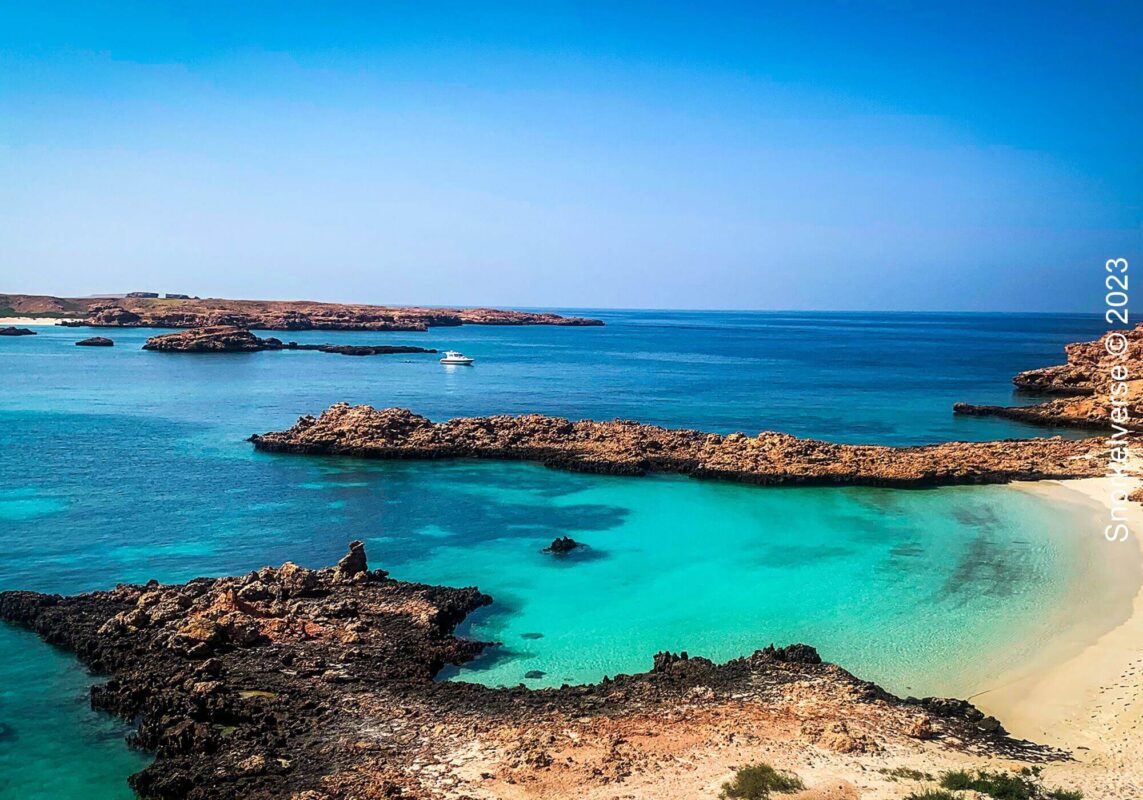
The Daymaniyat Islands represent one of Oman’s most remarkable natural treasures. Floating quietly off the coast near Muscat, this group of protected islands offers visitors a rare glimpse into an untouched marine environment. Known for clear turquoise waters, thriving coral reefs, and abundant sea life, the islands are a dream destination for snorkelers and nature lovers. However, because the area is legally protected, visiting requires planning and awareness of special regulations. This guide explains how to visit the Daymaniyat Islands responsibly, including access rules, permits, snorkeling conditions, and practical travel tips.
An Introduction to the Daymaniyat Islands
The Daymaniyat Islands Nature Reserve is made up of nine uninhabited islands located in the Gulf of Oman, approximately 15 to 20 kilometers offshore. They lie opposite coastal areas such as Seeb and Barka and are reachable only by boat.
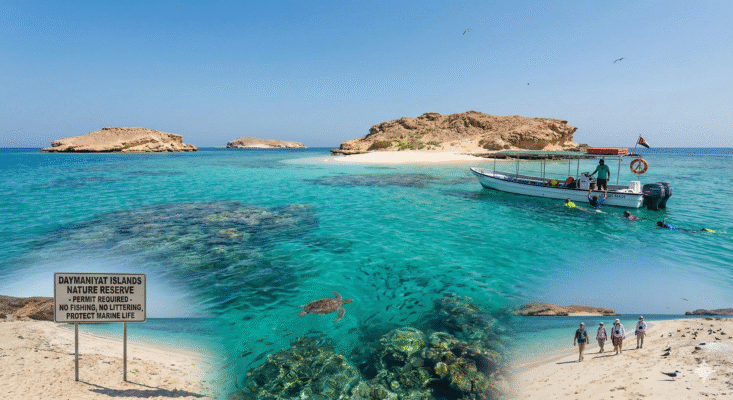
What sets these islands apart is their ecological importance. Beneath the surface, coral reefs support a wide variety of marine species, while above water the islands serve as nesting and breeding grounds for seabirds and sea turtles. Due to this ecological sensitivity, the Omani government strictly controls human activity in the area.
Why the Islands Are Protected
The Daymaniyat Islands were declared a nature reserve to safeguard fragile ecosystems from over-tourism, pollution, and fishing. Coral reefs are easily damaged, and turtle nesting areas are especially vulnerable to disturbance. By limiting visitor access and enforcing environmental rules, Oman ensures that marine life can thrive without disruption.
For travelers, this means that visiting the islands is a privilege rather than a casual trip—and one that comes with responsibilities.
Permit Requirements: What You Need to Know
A permit is mandatory for anyone wishing to visit the Daymaniyat Islands. Independent travel is not allowed, and visitors cannot simply rent a boat and go on their own.
How Permits Are Arranged
-
Permits are issued by Omani environmental authorities
-
Visitors do not apply directly
-
Licensed tour operators manage the permit process
-
Approval is linked to your boat trip and activity schedule
A typical permit allows:
-
Entry into the marine reserve
-
Snorkeling or swimming in designated zones
-
Beach access (only during permitted months)
This system ensures that visitor numbers remain controlled and activities stay environmentally safe.
Best Time of Year to Visit
The experience at the Daymaniyat Islands varies significantly depending on the season.
October to April: Ideal Visiting Period
This is the most favorable time to visit due to:
-
Calm sea conditions
-
Clear underwater visibility
-
Comfortable temperatures
-
Greater likelihood of island access
Snorkeling during these months is particularly enjoyable, and underwater photography conditions are excellent.
May to September: Limited Access Period
During the summer months:
-
Temperatures are very high
-
Sea conditions can be unpredictable
-
Landing on the islands is generally prohibited
-
Conservation restrictions increase due to turtle nesting
While snorkeling from boats may still be possible, access is more limited and closely regulated.
Getting to the Daymaniyat Islands
There are no public ferries or transport services to the islands. All visits must be arranged through approved tour operators.
Common Starting Points
Most boats depart from:
-
Al Mouj Marina
-
Seeb coastal area
-
Barka shoreline
What a Typical Tour Includes
-
Round-trip boat transfer
-
Snorkeling gear
-
Permit processing
-
Safety briefing
-
Drinking water or light refreshments
-
Experienced guides or crew
Most trips are half-day excursions, making them easy to fit into a Muscat itinerary.
Snorkeling Experience at the Islands
Snorkeling is the main attraction at the Daymaniyat Islands and is suitable for a wide range of visitors.
Marine Life You May Encounter
-
Extensive coral formations
-
Colorful reef fish in large schools
-
Parrotfish, angelfish, and butterflyfish
-
Rays gliding along the seabed
-
Green and hawksbill turtles
-
Occasional reef sharks, which are harmless and non-aggressive
Visibility can reach up to 30 meters, offering an exceptional underwater experience.
Skill Level Required
No advanced skills are necessary. Beginners are welcome, and flotation devices are usually provided. Guides explain safety procedures before entering the water. However, being comfortable in open water is strongly recommended.
Environmental Rules Visitors Must Follow
To protect the reserve, all visitors must respect strict guidelines:
-
Never touch coral or marine animals
-
Do not remove shells, sand, or coral
-
Fishing of any kind is forbidden
-
Take all waste back to the boat
-
Avoid disturbing wildlife with loud behavior
-
Follow instructions from tour staff
Violations can result in penalties and may affect future access for tourists.
What to Pack for Your Trip
To stay comfortable and environmentally responsible, bring:
-
Swimwear and a lightweight cover-up
-
Reef-safe sunscreen
-
Towel
-
Hat and sunglasses
-
Waterproof phone case or camera
-
Motion sickness medication if needed
-
Reusable water bottle
Single-use plastics should be avoided whenever possible.
Is Independent Travel Allowed?
No. Visiting the Daymaniyat Islands without a licensed operator is illegal. Even private boats require official permits. Booking through authorized tour providers ensures compliance with regulations and supports conservation efforts.
Is the Trip Worth It?
For most visitors, the answer is a clear yes. The Daymaniyat Islands offer a peaceful and uncrowded marine environment that feels worlds away from urban life. The untouched reefs, abundant wildlife, and strict conservation approach create an experience that is both memorable and meaningful.
Whether you’re new to snorkeling or passionate about marine ecosystems, this destination provides a rare chance to explore Oman’s natural beauty in its purest form.
Final Thoughts
A visit to the Daymaniyat Islands is more than a leisure activity—it is a carefully regulated nature experience. By understanding permit requirements, choosing the right season, and following environmental rules, visitors can enjoy the islands while helping preserve them for generations to come..