Things to Do Near Jebel Shams Oman for Tourists
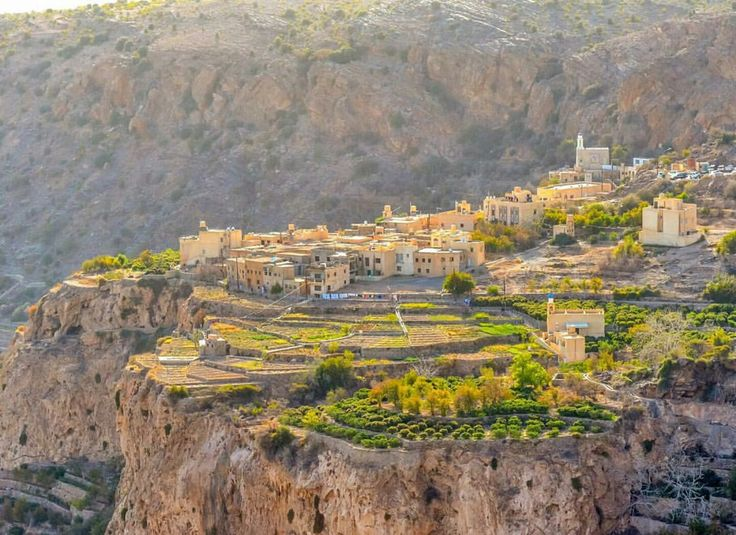
Nicknamed the Grand Canyon of Arabia, Jebel Shams rises proudly as Oman’s highest mountain, offering breathtaking views and adventure-filled experiences. But the magic doesn’t stop at the summit—its surroundings are just as rich, blending rugged nature, cultural heritage, and authentic Omani hospitality. For tourists, a trip to Jebel Shams is more than just a hike; it’s a journey through time, landscapes, and traditions. Let’s explore the best things to do near Jebel Shams that make this region an unforgettable destination.
-
Trek the Famous Balcony Walk Trail
One of the most popular activities near Jebel Shams is the Balcony Walk Trail. This moderate hike takes you along the edge of the canyon, offering thrilling views of the cliffs and valleys below. The trail leads to the abandoned village of Sab Bani Khamis, where stone houses tell stories of a bygone era.
Travel Tip: Start early in the morning to avoid midday heat and carry water. The hike is family-friendly but requires proper footwear.
-
Visit Al Hamra Old Town
Just a short drive from Jebel Shams lies Al Hamre, one of Oman’s oldest villages. With mudbrick houses that are more than 400 years old, this town is a living museum of traditional Omani architecture. Wander its narrow alleys, meet locals, and step back in time.
Don’t Miss: The Bait Al Safah Museum, where local women demonstrate old crafts like weaving, bread-making, and coffee preparation.
-
Explore Misfat al Abriyeen
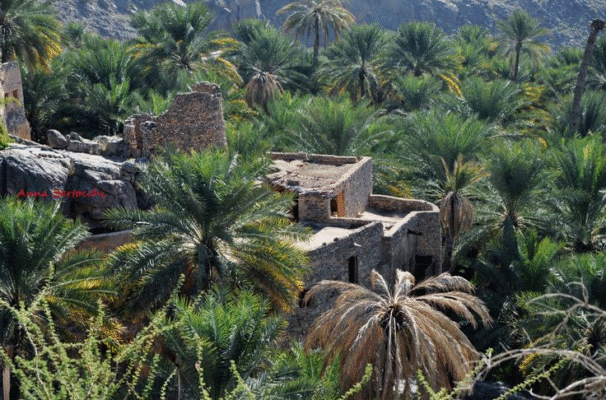
Another gem near Jebel Shams is Misfat al Abriyeen, a charming mountain village known for its terraced farms and ancient irrigation system called falaj. The green date palms against the backdrop of Rocky Mountains make it a photographer’s dream.
Best Experience: Take a guided village walk to learn about Omani agriculture and enjoy homemade meals prepared by local families.
-
Camp Under the Stars
The altitude and remoteness of Jebel Shams make it a perfect spot for stargazing. Tourists can set up camp near the canyon edge and enjoy the clear night sky, far from city lights. Watching the Milky Way stretch across the sky is a magical experience that connects nature with serenity.
Camping Essentials: Warm clothes, sleeping bags, and firewood—it can get surprisingly cold at night despite Oman’s desert reputation.
-
Discover Bahla Fort – A UNESCO Treasure
For history lovers, Bahla Fort, a UNESCO World Heritage Site, is a must-visit near Jebel Shams. Built by the Banu Nebhan tribe in the 13th century, the fort is an architectural marvel with towering mud walls and a fascinating history of defense and governance.
Tip: Combine your visit with a stop at Bahla Souq, where you can shop for pottery, spices, and Omani daggers (khanjars).
-
Experience Nizwa – The Cultural Capital
About an hour from Jebel Shams lies Nizwa, a city known for its fort and vibrant souq. The Nizwa Fort, with its massive circular tower, offers panoramic views of the old town. The nearby souq is alive with traders selling silver jewelry, dates, and handicrafts.
Special Highlight: If you visit on a Friday morning, you can witness the famous goat market, where locals gather for traditional livestock trading.
-
Take in the Views from Wadi Ghul
Often referred to as the “Omani Grand Canyon,” Wadi Ghul is a dramatic valley near Jebel Shams. The towering cliffs and deep ravines make it one of Oman’s most spectacular natural wonders. Many tourists drive through or hike around its rim for panoramic views.
Adventure Idea: For thrill-seekers, off-road driving through Wadi Ghul is a challenging but rewarding experience.
-
Visit Tanuf Ruins
The ruins of Tanuf tell a more recent story of Oman’s history. Located between Bahla and Nizwa, these crumbling walls are remnants of a town destroyed during Oman’s civil conflicts in the 1950s. Today, the site serves as a quiet reminder of resilience and change.
Good to Know: The nearby Tanuf Water Springs are a refreshing stop, especially in the cooler months.
-
Enjoy Omani Hospitality in Mountain Guesthouses
The villages surrounding Jebel Shams offer a chance to stay in authentic guesthouses run by local families. These stays give tourists an inside look into Omani traditions, from homemade meals to traditional storytelling. It’s a cultural immersion you can’t get in a hotel.
Taste to Try: Local dishes like shuwa (slow-cooked lamb) and harees (wheat and meat porridge).
-
Off-Road Adventures in the Hajar Mountains
For adventurous travelers, the rugged terrain around Jebel Shams offers some of Oman’s best off-road driving routes. Whether you’re exploring hidden wadis or remote villages, a 4×4 vehicle opens the door to landscapes untouched by mass tourism.
Warning: Roads can be challenging. Always travel with a guide or ensure your vehicle is well-equipped.
Why Jebel Shams is More Than Just a Mountain
Visiting Jebel Shams is not only about standing at Oman’s highest peak. The surrounding areas reveal a tapestry of history, culture, and natural wonders—from ancient forts and living villages to starlit skies and canyon views. For tourists, this region is a blend of adventure and tradition, making it one of Oman’s must-see destinations.
FAQs About Jebel Shams and Surroundings
Q1: What is the best time to visit Jebel Shams?
The best time is between October and April, when temperatures are cooler and ideal for hiking and sightseeing.
Q2: How far is Jebel Shams from Muscat?
It’s about a 3.5 to 4-hour drive from Muscat, depending on stops along the way.
Q3: Is Jebel Shams safe for camping?
Yes, it’s safe if you’re prepared. Bring warm clothing and camping gear, as nights can get very cold.
Q4: Can tourists drive up to Jebel Shams without a 4×4?
A 4×4 is highly recommended, especially for the last stretch of the road, which is steep and uneven.