
A Spiritual Journey to the Kaaba
The pilgrimage to Mecca represents the ultimate spiritual journey for millions of Muslims worldwide. This sacred expedition, whether for Hajj or Umrah, transcends mere travel—it’s a profound transformation of the soul. At the heart of this experience lies the Kaaba, the ancient cubic structure that serves as the spiritual center of the Islamic world. The moment of first witnessing the Kaaba marks a pivotal point in a believer’s life, creating memories that resonate through eternity.
The Approach to Sanctity
The journey begins long before reaching Mecca. Pilgrims enter a state of Ihram, symbolizing purity and equality. The physical journey mirrors the spiritual preparation—shedding worldly attachments and focusing on divine connection. As pilgrims approach the Grand Mosque, anticipation builds with every step. The surrounding city gradually gives way to the sacred precincts, creating a tangible shift in atmosphere. The air seems charged with devotion, and the sounds of everyday life are replaced by whispers of prayer and remembrance.
The First Glimpse: A Moment of Transformation
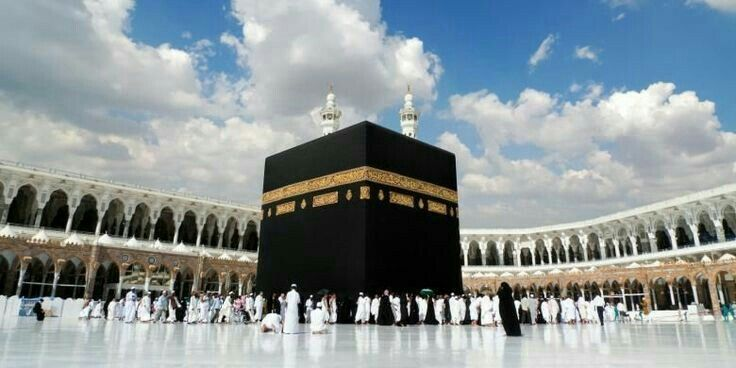
Entering the courtyard of Masjid al-Haram is an experience that defies description. The vastness of the mosque unfolds gradually, and then, almost unexpectedly, the Kaaba appears. This first visual contact often triggers overwhelming emotions—tears flow freely, breaths catch in throats, and hearts feel simultaneously heavy with awe and light with joy. For many, it’s the realization of a lifelong dream, the physical manifestation of the direction they’ve faced in prayer since childhood. This moment represents the convergence of a lifetime of faith into a single, transformative experience.
The Architecture of Spirituality
The Kaaba stands as a masterpiece of spiritual architecture. Draped in the black Kiswa embroidered with gold Qur’anic verses, it commands attention without overwhelming through size. The structure’s simplicity speaks volumes—a cube representing stability and permanence in a transient world. Surrounding the Kaaba, the marble courtyards of the mosque accommodate millions while maintaining an atmosphere of peace. The minarets stand as silent witnesses to centuries of devotion, while the modern expansions demonstrate Islam’s ability to honor tradition while embracing progress.
Tawaf: The Cosmic Dance of Devotion
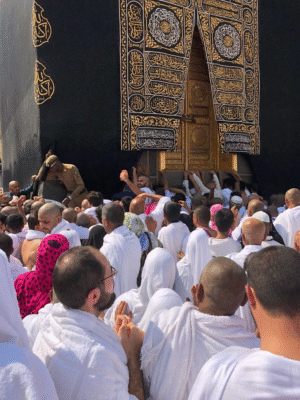
The ritual of Tawaf involves circumambulating the Kaaba seven times in a counter-clockwise direction. This ancient practice transforms individual pilgrims into a unified body of worship. The movement creates a powerful visual metaphor—like planets orbiting their sun, believers move around their spiritual center. Each circuit brings new perspectives: the shimmer of the Kiswa in different lights, the varying angles of the structure, and the changing faces of fellow pilgrims. The rhythm of Tawaf becomes a meditation in motion, where physical movement aligns with spiritual aspiration.
The Science of Sacred Space
Modern research reveals fascinating aspects of the Kaaba’s environment. The circular movement of Tawaf creates natural airflow patterns that help cool the courtyard. The placement of the Kaaba corresponds with magnetic forces that some scientists believe enhance spiritual experiences. The concentration of positive energy from millions of sincere prayers creates an atmosphere that many describe as electrically charged with divine presence. These scientific observations complement the spiritual significance, showing how physical and metaphysical realities intertwine in this sacred space.
A Microcosm of Humanity
The gathering at the Kaaba presents a unique vision of human unity. People from every nation, race, and social stratum stand shoulder-to-shoulder in worship. The simple white Ihram garments erase visible markers of status and wealth, creating what might be the world’s most authentic display of human equality. Here, a CEO prays beside a farmer, a professor beside an laborer—all equal before their Creator. This experience demolishes artificial barriers and fosters genuine brotherhood, offering a powerful antidote to the divisions that plague modern society.
The Power of Collective Prayer
Praying in congregation at the Kaaba multiplies the spiritual experience exponentially. When the call to prayer echoes through the mosque, millions align themselves in perfect rows. The synchronized movements of bowing and prostration create waves of devotion that ripple through the crowd. The collective recitation of Quranic verses generates vibrations that many describe as physically palpable. This massive yet perfectly coordinated worship demonstrates Islam’s ability to harmonize individual devotion with communal unity, creating a powerful expression of disciplined spirituality.
Historical Layers of Sanctity
The Kaaba’s significance spans millennia. Islamic tradition holds that Adam first established a place of worship here, followed by Abraham and Ishmael who rebuilt the structure. The Black Stone, embedded in the Kaaba’s eastern corner, connects present-day pilgrims to this ancient legacy. Each historical layer adds depth to the experience—walking where prophets walked, praying where martyrs prayed, and joining the endless chain of believers who have sought divine proximity at this spot. This historical continuity provides a profound sense of belonging to something greater than oneself.
Personal Transformations
Individual stories of transformation abound among pilgrims. Many report experiencing life-changing insights during their time at the Kaaba. Business leaders return with renewed commitment to ethical practices. Parents come back with deeper appreciation for family bonds. Young people find clarity about life’s purpose. The experience often serves as a spiritual reset, helping pilgrims reorder their priorities and strengthen their moral compass. These personal transformations ripple outward, affecting families and communities long after the pilgrimage ends.
The Challenge of Modern Pilgrimage
Contemporary Mecca faces unique challenges in hosting millions of visitors annually. The Saudi authorities have implemented sophisticated crowd management systems, advanced transportation networks, and state-of-the-art facilities to ensure safety and comfort. While some lament the loss of the old Mecca’s simplicity, these developments demonstrate Islam’s capacity to adapt timeless rituals to modern contexts. The balance between preserving spiritual atmosphere and accommodating physical needs represents an ongoing challenge that authorities address with increasing sophistication.
Sustaining the Spiritual Momentum
The true test of the pilgrimage begins when pilgrims return home. The key challenge involves integrating the Kaaba experience into daily life. Many successful pilgrims establish regular prayer schedules, increase their charitable activities, and strengthen family bonds. The memory of the Kaaba becomes a spiritual touchstone—a mental image to return to during difficult times, a reminder of life’s higher purpose, and a source of strength during moments of weakness. This sustained connection transforms a one-time journey into a lifelong spiritual orientation.
Universal Lessons from the Kaaba Experience
The Kaaba offers insights valuable beyond the Islamic context. Its demonstration of human unity reminds us of our shared humanity. Its combination of ancient tradition and modern adaptation shows how timeless values can thrive in changing circumstances. The focus on spiritual equality challenges materialistic notions of worth. The harmony between individual devotion and collective worship suggests models for balancing personal freedom with social responsibility. These universal lessons make the Kaaba relevant even to those who may never visit it physically.
Conclusion: The Eternal Pull
The Kaaba continues to call believers across generations and continents. Its magnetic pull operates on both physical and spiritual levels—drawing Muslims toward Mecca while simultaneously drawing hearts toward divine consciousness. Each successful pilgrimage adds another thread to the rich tapestry of Kaaba’s history, strengthening its position as the beating heart of the Muslim world. The silent conversation that begins at the Kaaba doesn’t end with departure—it continues through a lifetime of prayer and remembrance, forever orienting the believer toward what matters most.
Frequently Asked Questions (FAQs)
What makes the Kaaba so special?
The Kaaba represents the spiritual center of Islam. It’s the first house of worship dedicated to the worship of the one God, rebuilt by Prophet Abraham and his son Ishmael. Muslims worldwide face toward it during their five daily prayers, making it the unifying point for the global Muslim community.
Can women perform pilgrimage without a male guardian?
According to most Islamic scholars, women above a certain age (usually 45) may perform Hajj without a Mahram (male guardian) if they travel with trustworthy groups. However, conditions vary, and many scholars recommend having a Mahram for safety and religious compliance.