
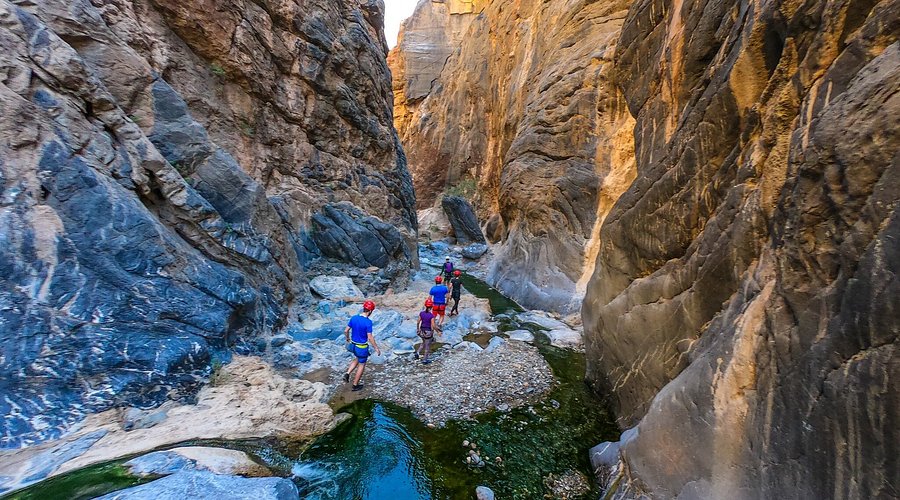
Oman is a land of dramatic landscapes, rugged mountains, and hidden wadis, but few places offer the raw thrill and natural beauty of Snake Canyon. Nestled in the Hajar Mountains near Wadi Bani Awf, Snake Canyon is one of the most iconic destinations for canyoning in the region. Adventurers from around the world come here to experience an intense combination of hiking, swimming, rappelling, cliff jumping, and scrambling through narrow rock passages. While the canyon is breathtakingly beautiful, it also demands respect and careful preparation. Understanding the safety requirements and what to expect is essential for any traveler planning to take on this adventure.
Why Snake Canyon is Unique
Snake Canyon earns its name from its winding, serpentine shape, which snakes through deep rock gorges. Unlike a simple hike, canyoning here is an all-encompassing outdoor activity that challenges both the body and the mind. Participants navigate through natural pools, leap from cliff edges into crystal-clear water, rappel down vertical rock faces, and scramble over jagged boulders. The combination of physical activity and natural scenery makes Snake Canyon a truly immersive experience.
Routes for All Levels
The canyon offers routes for different skill levels. Beginners can enjoy shorter, less technical stretches, where the focus is on swimming and gentle rappelling. Experienced adventurers can tackle the longer, more technical sections involving multiple rappels, cliff drops, and complex navigation. Regardless of the route, the canyon’s unpredictable terrain and hidden hazards require careful preparation and vigilance.
Safety First: Why Preparation Matters
Snake Canyon is not a casual walk in the park. The combination of water, steep rocks, and tight passages can be dangerous without the right skills and equipment. Hiring a certified guide is essential. Guides are familiar with the canyon’s layout, potential hazards, and the safest routes. They also monitor weather conditions and water levels, which can change rapidly and dramatically.
Flash Flood Risk
Flash floods are a particular concern. Heavy rainfall, even far from the canyon, can cause water levels to rise quickly, turning calm pools into dangerous torrents. Always check weather conditions before your trip, and be prepared to cancel or postpone if there is any risk of rain in the region. A sudden storm can turn the canyon from a playground into a life-threatening environment in a matter of minutes.
Essential Gear for a Safe Canyoning Experience
Safety in Snake Canyon relies heavily on proper equipment. Most tour operators provide essential gear, including harnesses, helmets, ropes, and life jackets. These are critical for rappelling, navigating vertical drops, and swimming through deeper pools.
Personal Equipment Checklist
In addition to the supplied gear, visitors should prepare their personal equipment thoughtfully:
-
Canyoning shoes with grip: Wet rocks are slippery and can be dangerous.
-
Quick-drying clothing: Participants will spend a significant amount of time in water.
-
Gloves: Useful for rope work and scrambling over rocks.
-
Dry bag: Keeps essentials like phones, cameras, and spare clothing safe.
-
Water: At least 2 liters per person to stay hydrated.
-
Sun protection: Hats, sunglasses, and sunscreen are essential.
Proper preparation ensures comfort, safety, and a more enjoyable adventure.
Physical and Mental Readiness
Canyoning in Snake Canyon requires more than just courage; it demands a moderate level of fitness and basic skills. Participants should be comfortable walking on uneven and wet terrain, have basic swimming ability, and feel confident navigating heights. Some parts of the canyon involve cliff jumps or rappelling down vertical sections, which can be challenging for those with a fear of heights. It is also important to have sufficient upper body strength to manage rope descents and maneuver through narrow passages.
Travelers with serious health conditions, including heart or back problems, or those who are pregnant, should avoid canyoning due to the physical demands and potential hazards.
Timing Your Adventure
The best months for canyoning in Snake Canyon are generally between October and April. During these months, daytime temperatures are moderate, making the experience more comfortable and safer. In contrast, the summer months bring intense heat, which can increase the risk of dehydration and heat exhaustion, especially when combined with physical exertion and water exposure.
Morning Start
Starting early in the morning is recommended to avoid the peak heat of the day and to enjoy cooler water and shaded sections of the canyon.
Practical Tips for Travelers
To get the most out of your adventure, follow these practical tips:
-
Travel with a group: Keep an eye on companions, assist each other, and maintain constant communication.
-
Respect the environment: Avoid disturbing natural formations and carry out all trash.
-
Plan for emergencies: Ensure someone outside the group knows your itinerary.
-
Prepare for after the canyon: Bring spare clothes, towels, and a change of shoes for comfort post-trip.
The Reward: An Unforgettable Experience
Successfully navigating Snake Canyon is an achievement that combines physical challenge, natural beauty, and adrenaline-fueled fun. The adventure is as much about mental resilience as physical skill, teaching patience, caution, and awareness of one’s surroundings. Emerging from the canyon, tired but exhilarated, visitors often describe a profound sense of accomplishment.
Canyoning in Snake Canyon is more than just a thrilling activity—it is an immersion into Oman’s dramatic landscapes and an opportunity to experience nature in its purest form. By prioritizing safety, preparing properly, and respecting the environment, travelers can enjoy one of the Middle East’s most extraordinary outdoor adventures while creating memories that last a lifetime.