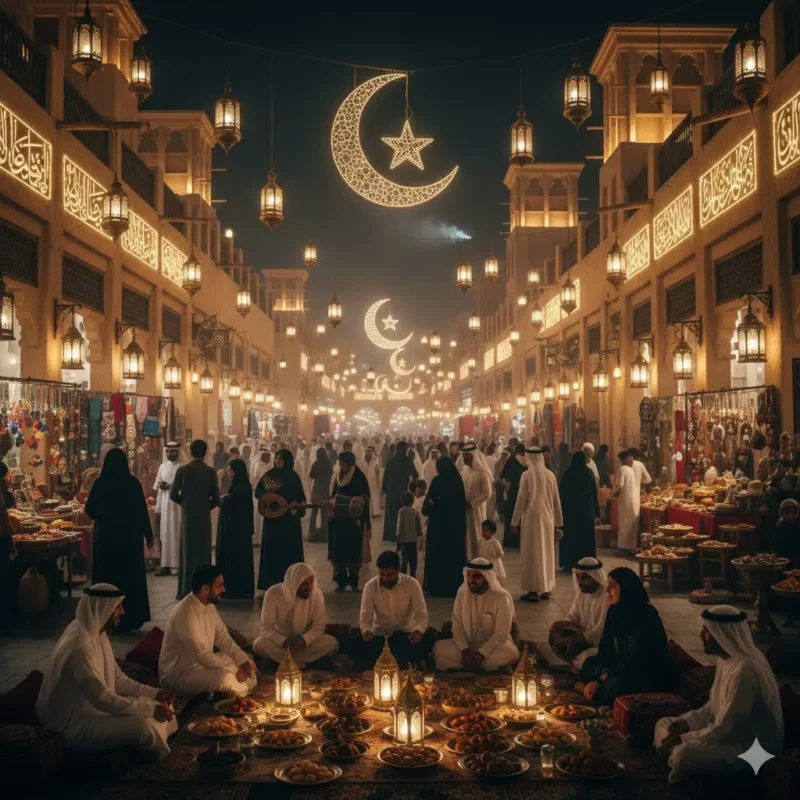
Traveling to the Gulf during Ramadan can be one of the most memorable cultural experiences you’ll ever have. The atmosphere shifts in a way that visitors rarely see at other times of the year: cities slow down during the day, nights come alive with lights and gatherings, and traditions that have been practiced for centuries become visible in daily life.
However, traveling during Ramadan also requires awareness, flexibility, and respect for local customs. With a little preparation, tourists can not only avoid misunderstandings but also gain a deeper appreciation for the region’s culture and hospitality.
Below is a comprehensive guide to help you travel comfortably and responsibly in Gulf countries such as the United Arab Emirates, Saudi Arabia, Qatar, Kuwait, Bahrain, and Oman during Ramadan.
Understanding the Rhythm of Ramadan
Ramadan is the ninth month of the Islamic calendar, observed by Muslims through fasting from dawn to sunset. During daylight hours, practicing Muslims refrain from eating, drinking, and smoking.
For travelers, this means daily life follows a different schedule:
-
Mornings are quieter than usual.
-
Businesses may open later or operate shorter daytime hours.
-
Nights are vibrant, especially after the sunset meal known as iftar.
Shops, cafés, and malls often stay open late into the night, sometimes until the early morning. Adapting your schedule—resting in the afternoon and exploring in the evening—can make your trip far more enjoyable.
Respecting Local Customs
One of the most important travel tips is to be mindful of cultural etiquette.
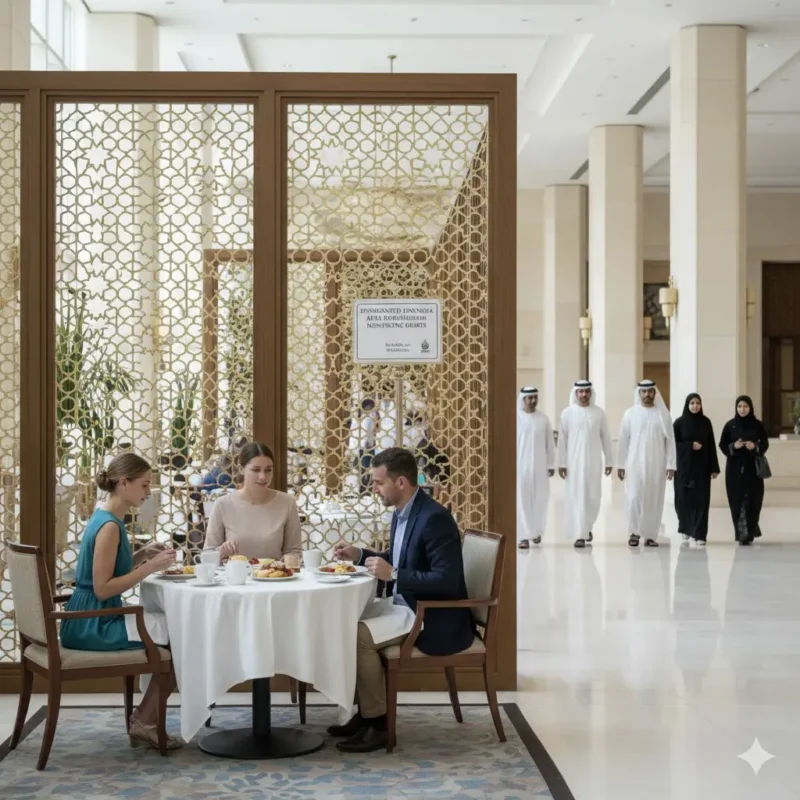
In many Gulf countries, eating or drinking in public during fasting hours may be restricted or discouraged. Some places provide designated areas for non-fasting visitors, particularly in hotels or international zones.
To show respect:
-
Avoid eating, drinking, or chewing gum in public during daylight.
-
Dress modestly, especially in traditional or religious areas.
-
Keep public displays of affection minimal.
-
Be patient—service may be slower as people conserve energy while fasting.
These small gestures go a long way in creating positive interactions with locals.
Planning Meals and Dining
Food plays a central role in Ramadan, and travelers have a unique opportunity to experience special dishes and traditions.
Iftar: The Sunset Feast
Iftar is the evening meal eaten at sunset to end the daily fast. During this time, many hotels and restaurants offer extensive buffets with a variety of traditional foods, including dates, flavorful soups, grilled meats, rice specialties, and a selection of desserts.
Booking in advance is wise, especially on weekends or in popular tourist cities like Dubai or Doha.
Suhoor: The Pre-Dawn Meal
Some restaurants and cafés remain open late to serve suhoor, the meal eaten before dawn.These gatherings usually have a calm, welcoming atmosphere, where people sit together, enjoy open-air seating, and listen to traditional music.
Even if you’re not fasting, attending an iftar or suhoor can be a memorable cultural experience.
Adjusting Sightseeing Plans
Daytime sightseeing is still possible, but it helps to plan strategically.
Best times for activities:
-
Early morning before the heat and fatigue of the day set in.
-
Late evening after iftar, when cities feel energetic and welcoming.
Museums, malls, and indoor attractions are particularly good options during the afternoon heat. Outdoor excursions—desert tours, walking tours, or waterfront visits—are often more enjoyable at night.
Transportation and Traffic Considerations
Traffic patterns can change significantly during Ramadan. Roads tend to be busier shortly before sunset, as people hurry home for iftar.
If you’re traveling around that time:
-
Allow extra time for journeys.
-
Avoid scheduling airport transfers close to sunset if possible.
-
Consider using metro systems or taxis to reduce stress.
After iftar, roads usually become calmer, and public transportation may run later than usual in major cities.
Shopping and Night Markets
Ramadan evenings are a paradise for shoppers and explorers. Night markets, Ramadan tents, and festive bazaars often appear in major cities, selling handicrafts, clothing, sweets, and traditional drinks.
Malls may stay open until midnight or later, offering entertainment, decorations, and special promotions.
These nighttime environments are family-friendly and lively, making them perfect for experiencing local culture.
Accommodation Tips
Hotels in the Gulf are generally well prepared for Ramadan and often tailor services for guests.
When booking:
-
Ask about dining options during daylight hours.
-
Check if the hotel hosts iftar or suhoor events.
-
Look for properties that offer flexible meal times if breakfast hours change.
Many hotels create beautifully decorated Ramadan tents where guests can relax, enjoy meals, and experience traditional music or storytelling.
Cultural Experiences Not to Miss
Ramadan is not only about fasting—it is also a time of charity, reflection, and community. Travelers can witness traditions that reveal the deeper cultural fabric of the region.
Some experiences to consider:
-
Visiting a mosque or cultural center that offers guided tours.
-
Attending heritage events or Ramadan festivals.
-
Observing the cannon firing in some cities to mark sunset.
-
Exploring historic districts that feel especially atmospheric at night.
These moments offer insight into the spiritual and communal aspects of the month.
Photography Etiquette
The Gulf offers beautiful scenes during Ramadan—lanterns, decorated streets, and festive gatherings. However, always ask permission before photographing people, especially families or individuals in traditional dress.
Avoid photographing worshippers in sensitive moments, such as prayer, unless it is clearly allowed.
Respectful photography ensures that both visitors and locals feel comfortable.
Health and Comfort Tips
Traveling in warm Gulf climates can be challenging, particularly if restaurants and cafés are less accessible during the day.
To stay comfortable:
-
Stay hydrated when in private spaces where drinking is permitted.
-
Wear light, breathable clothing.
-
Plan indoor breaks during the hottest hours.
-
Carry sunscreen and a hat for outdoor activities.
If you are fasting out of solidarity or personal choice, be mindful of your physical limits, especially in high temperatures.
Traveling with Children
Families traveling with children may wonder how Ramadan will affect their plans. Fortunately, most tourist facilities remain family-friendly.
Tips for families:
-
Choose hotels with pools or indoor play areas.
-
Keep snacks available for children in private settings.
-
Plan outings in the evening when attractions are lively.
Children often enjoy the festive decorations, lanterns, and sweets associated with Ramadan nights.
Embracing the Spirit of Hospitality
One of the most beautiful aspects of visiting the Gulf during Ramadan is the generosity you may encounter. It is not uncommon for locals to invite visitors to share an iftar meal or offer dates and drinks at sunset.
Accepting such gestures graciously, when appropriate, can lead to meaningful cultural exchanges and lasting memories.
Final Thoughts
Traveling to the Gulf during Ramadan is different from traveling at any other time of year—but that difference is precisely what makes it special. The slower pace of the day, the warmth of nighttime gatherings, and the deep cultural traditions create an atmosphere that many travelers find unforgettable.
By planning ahead, respecting local customs, and embracing the unique rhythm of the month, tourists can enjoy a rich and rewarding experience. Instead of seeing Ramadan as an obstacle, view it as an opportunity to witness a side of the Gulf that few visitors fully appreciate.
If you approach the journey with curiosity and respect, Ramadan in the Gulf can become one of the most meaningful travel experiences you ever have.