
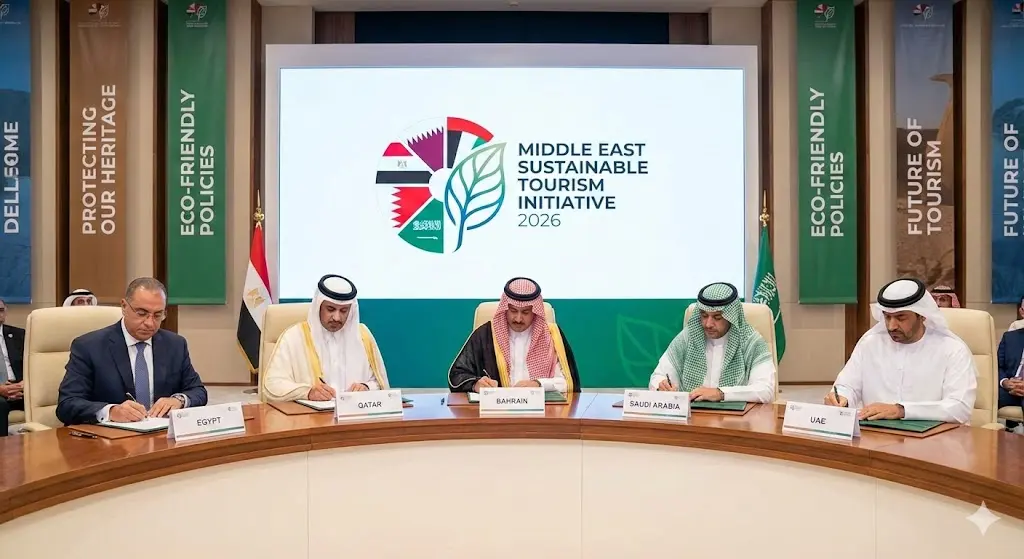
In 2026, several Middle Eastern countries, including Egypt, Qatar, Bahrain, Saudi Arabia, and the United Arab Emirates, are moving toward closer cooperation to protect tourism and the environment. This regional effort focuses on setting stronger policies and sustainability standards that aim to balance economic growth with environmental responsibility. Tourism is a major source of income for these countries, and protecting natural and cultural assets has become a shared priority.
This cooperation does not mean that all countries are adopting identical laws. Instead, it reflects a shared direction and common goals. Each country is working within its own legal system while aligning with regional sustainability principles.
Why These Countries Are Working Together
The Middle East is home to deserts, coastlines, coral reefs, historical sites, and modern cities that attract millions of visitors every year. Rapid tourism growth has created pressure on water resources, wildlife, energy use, and waste systems. Governments in the region recognize that without better management, tourism could damage the very attractions that bring visitors.
Another reason for cooperation is international expectations. Travelers, investors, and global tourism organizations increasingly expect destinations to follow environmental and social standards. By working together, these countries aim to strengthen their global image and remain competitive in the tourism market.
Key Areas of Sustainability Focus
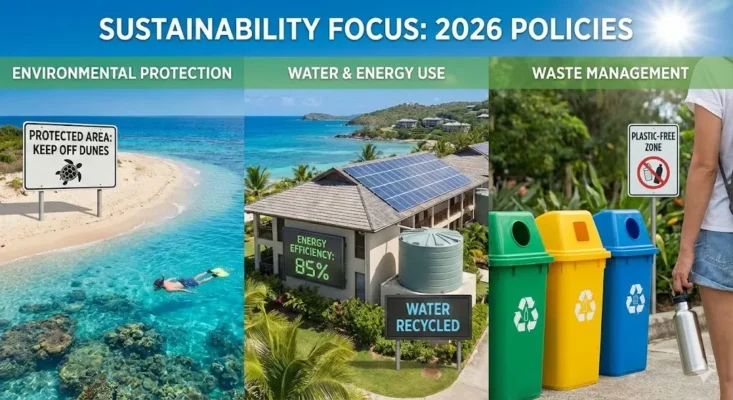
The policies being introduced or strengthened in 2026 focus on several main areas. These areas are common across the region, though the exact rules may differ by country.
Environmental protection is a top priority. Governments are placing more attention on protecting beaches, deserts, marine life, and protected areas. This includes limiting harmful activities, controlling construction near sensitive sites, and encouraging responsible tourism behavior.
Water and energy use is another major focus. Tourism facilities such as hotels, resorts, and entertainment venues are being encouraged or required to reduce water waste and improve energy efficiency. In some countries, new projects must meet minimum sustainability standards before receiving approval.
Waste management is also being addressed. Tourist areas often produce large amounts of waste. New policies support recycling, reduced plastic use, and better waste collection systems, especially in popular destinations.
Changes Affecting Tourism Businesses
Tourism businesses are expected to play a key role in meeting sustainability goals. Hotels, tour operators, and event organizers may need to follow updated guidelines related to resource use, environmental impact, and reporting.
In some cases, businesses may be required to show sustainability plans or meet certification standards. These measures are designed to encourage long-term responsibility rather than short-term profits.
While these changes may increase operating costs in the beginning, governments believe they will help create a more stable and attractive tourism sector over time.
What Travelers Should Be Aware Of
For travelers, these policies may lead to small but noticeable changes in how tourism operates. Some activities may be limited or regulated more strictly, especially in natural or historical areas. Visitors may also see more rules related to waste disposal, wildlife interaction, and energy use.
Travelers may be encouraged to follow responsible tourism practices, such as conserving water, respecting protected sites, and supporting local communities. In some destinations, eco-friendly accommodations and experiences may become more common.
Overall, these changes aim to improve the quality of tourism rather than reduce access.
Regional Cooperation and Long-Term Goals
This cooperation among Egypt, Qatar, Bahrain, Saudi Arabia, and the UAE reflects a long-term vision. These countries are not only protecting current tourism assets but also planning for future generations.
Regional dialogue allows governments to share experiences, improve policy design, and avoid repeating mistakes. It also helps create more consistent standards across borders, which is helpful for international travelers and global tourism companies.
Sustainability goals are also linked to broader economic plans in the region. Many Middle Eastern countries are working to diversify their economies, and sustainable tourism is seen as a reliable long-term sector.
Challenges and Considerations
Implementing sustainability policies is not without challenges. Monitoring compliance, funding infrastructure upgrades, and balancing growth with protection require careful planning. Smaller businesses may need support to adapt to new requirements.
There is also a need for public awareness. Policies are most effective when businesses, residents, and tourists understand their purpose and benefits.
Governments are expected to adjust policies over time based on results, feedback, and environmental data.
Conclusion
In 2026, the joint direction taken by Egypt, Qatar, Bahrain, Saudi Arabia, and the UAE shows a growing regional commitment to protecting tourism and the environment. Through stricter policies and sustainability standards, these countries aim to ensure that tourism remains a positive force for economic growth while preserving natural and cultural resources.
For businesses and travelers, the focus is shifting toward responsibility, efficiency, and long-term value. While changes may take time to fully develop, the overall goal is clear: a more sustainable and resilient tourism future for the Middle East.