
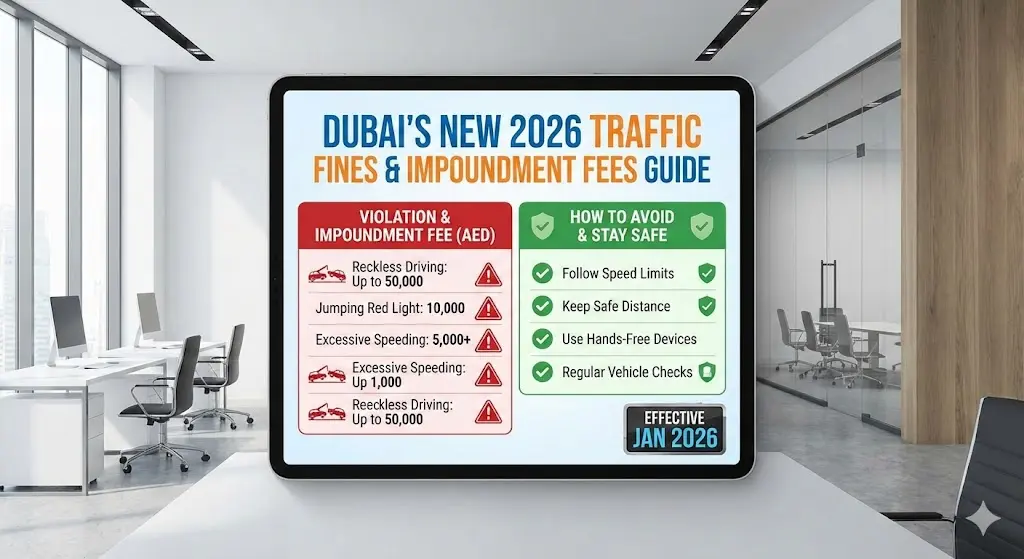
Dubai’s traffic laws have always focused on safety, discipline, and order. In 2026, those priorities have been reinforced with stricter penalties, higher impoundment fees, and tougher enforcement. The updated regulations are designed to reduce dangerous driving behavior, protect road users, and encourage long-term compliance rather than short-term punishment.
If you drive in Dubai, understanding these rules is essential. This guide explains the most important violations that lead to vehicle impoundment, the costs involved, and how drivers can avoid unnecessary penalties.
Understanding Vehicle Impoundment
Vehicle impoundment occurs when authorities seize a vehicle and store it in a designated facility. Depending on the violation, the car may be held for a fixed number of days, or the driver may be allowed to pay a release fee instead of waiting out the impound period. In 2026, many release fees have increased significantly to discourage repeat and high-risk offences.
Key Traffic Violations That Lead to Impoundment
Running a Red Light
Failing to stop at a red traffic signal is treated as a serious safety violation. It typically results in a fine, black points on the driving license, and vehicle impoundment. Drivers who choose early release must pay a high fee, reflecting the danger this behaviour poses at intersections.
Reckless or Dangerous Driving
Reckless driving includes aggressive lane changes, excessive speeding, tailgating, and unpredictable maneuvers. These actions often lead to immediate vehicle seizure. The associated release fees are among the highest in the 2026 regulations because reckless driving significantly increases the risk of serious accidents.
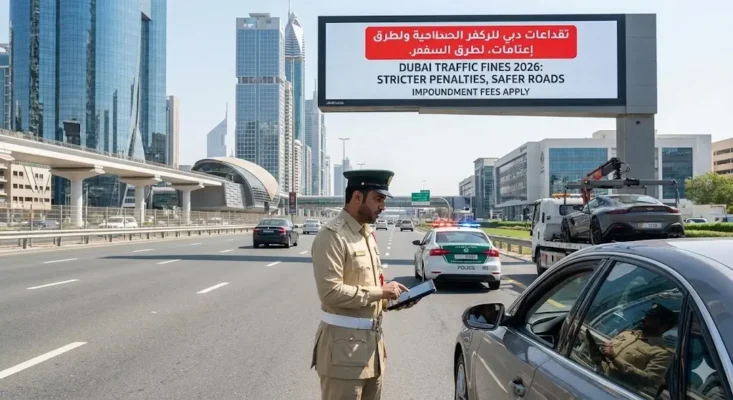
Illegal Street Racing
Participating in unauthorized road races, even without directly competing, is classified as a major offence. Vehicles involved are impounded immediately, and release fees can reach extreme levels. Authorities treat illegal racing as a threat to public safety rather than a simple traffic violation.
Using Recreational Vehicles on Public Roads
Off-road motorcycles, quad bikes, and similar recreational vehicles are prohibited on public roads. Using them in traffic results in vehicle seizure and a substantial release fee, as these vehicles are not designed for urban driving conditions.
Fake, Missing, or Obscured Number Plates
Any attempt to hide or alter a vehicle’s number plate is considered intentional misconduct. This includes fake plates, missing plates, or plates that are bent, covered, or unclear. Such violations lead to immediate impoundment and heavy penalties.
Illegal Vehicle Modifications
Modifications that increase engine power, speed, or noise beyond legal limits are strictly controlled. Vehicles with unapproved exhaust systems or performance upgrades may be impounded until they are returned to legal condition, along with payment of the required fees.
Evading Police or Attending Illegal Gatherings
Attempting to flee from law enforcement or gathering to watch illegal driving events can result in vehicle seizure. These violations are treated seriously due to their potential to escalate into dangerous situations.
Accumulated Unpaid Fines
Even without a major offence, vehicles with excessive unpaid fines may be impounded. Authorities use this measure to ensure compliance and prevent habitual offenders from ignoring penalties.
Impound Duration and Additional Costs
Vehicles remain impounded until all legal conditions are fulfilled. Delaying vehicle collection may result in daily storage charges. Repeat violations within a short period can lead to longer impoundment times and increased financial penalties.
How to Avoid Traffic Impoundment in 2026
Avoiding impoundment is largely a matter of responsible driving and awareness.
-
Obey traffic signals and lane markings at all times
-
Drive calmly and avoid aggressive behavior
-
Follow posted speed limits
-
Keep your vehicle legally modified and well-maintained
-
Ensure number plates are clear and compliant
-
Pay traffic fines promptly
Staying informed about traffic rules is one of the simplest ways to prevent costly mistakes.
Final Thoughts
Dubai’s 2026 traffic regulations send a clear message: dangerous driving will not be tolerated. Vehicle impoundment and high release fees are meant to protect lives, not punish drivers unnecessarily. By following the rules, maintaining your vehicle, and driving responsibly, you can avoid penalties and contribute to safer roads for everyone.
Safe driving is not just a legal requirement in Dubai—it is a shared responsibility.