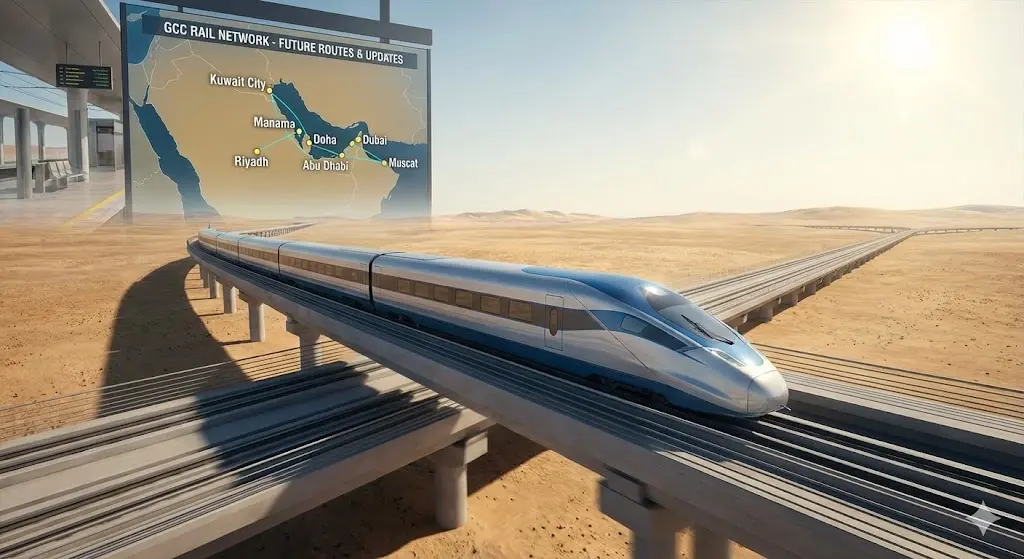
The Gulf Cooperation Council (GCC) Rail Project is one of the most ambitious infrastructure initiatives in the Arabian Peninsula, aiming to connect six member countries—Saudi Arabia, UAE, Oman, Qatar, Bahrain, and Kuwait—via a high-speed, modern rail network. This project is set to transform regional travel, trade, and tourism by providing a safe, efficient, and sustainable alternative to road and air travel.
For travelers and tourists in the Gulf region, understanding the latest developments, proposed routes, and travel opportunities is essential. This guide offers an up-to-date look at the GCC Rail Project, highlighting what it means for mobility, tourism, and business travel.
Overview of the GCC Rail Project
The GCC Rail Project is designed to create a network spanning approximately 2,177 kilometers across the Arabian Peninsula. The project envisions:
-
Passenger trains capable of traveling at speeds of up to 220 km/h.
-
Freight trains connecting industrial zones, ports, and commercial hubs.
-
Seamless integration with airports, metro systems, and other public transport.
Once completed, the network will reduce travel time between major cities, encourage regional tourism, and support economic diversification in line with Vision 2030 initiatives in countries like Saudi Arabia and the UAE.
Current Update on the Project
After years of planning and intermittent delays, several milestones and updates have been announced:
-
Saudi Arabia: Construction on segments connecting Riyadh, Dammam, and Jeddah is underway, with Riyadh–Dammam expected to be operational in phases over the next few years.
-
UAE and Oman: Feasibility studies and environmental assessments are ongoing, focusing on connecting Abu Dhabi, Dubai, and Muscat.
-
Qatar and Bahrain: Designs for high-speed links between Doha and Manama are being finalized.
-
Kuwait: Planning is in progress, with priority given to linking Kuwait City with regional hubs.
Despite delays due to the COVID-19 pandemic and logistical challenges, officials remain optimistic about phased rollouts, particularly within Saudi Arabia, which forms the backbone of the network.
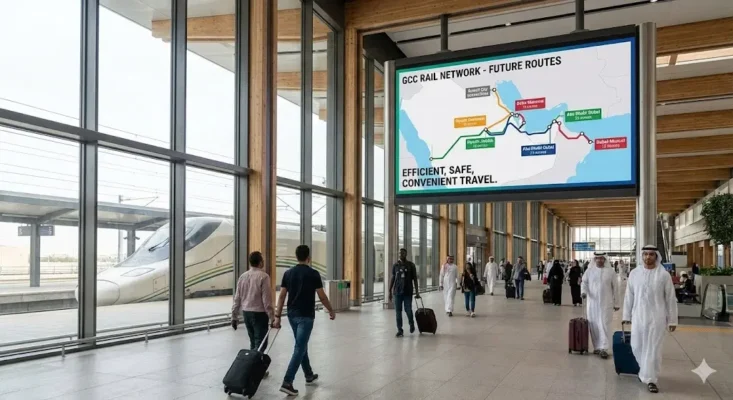
Travel Routes: What Travelers Can Expect
The GCC Rail Project aims to create efficient, safe, and convenient travel corridors for both residents and tourists. Here’s an outline of the key routes and connections:
1. Riyadh to Dammam
-
Estimated travel time: ~2 hours (compared to 4-5 hours by car)
-
Key stops: Riyadh, Hofuf, Dammam
-
Benefits: Ideal for business travelers, tourists visiting the Eastern Province, and pilgrims heading to Eastern Hajj routes
2. Riyadh to Jeddah
-
Estimated travel time: ~5-6 hours (compared to 10-12 hours by road)
-
Key stops: Riyadh, Mecca vicinity, Jeddah
-
Benefits: Streamlined travel for pilgrims visiting Umrah or Hajj, and tourists exploring the Red Sea coast
3. Abu Dhabi to Dubai
-
Travel time: ~1.5 hours
-
Key stops: Abu Dhabi, Dubai International Airport, Dubai city center
-
Benefits: Convenient for intercity tourism, business trips, and airport transfers
4. Dubai to Muscat (Oman)
-
Cross-border high-speed rail connecting the UAE with Oman
-
Travel time: Estimated 2-3 hours
-
Benefits: Encourages cross-border tourism and business travel, reducing reliance on long car journeys
5. Doha to Manama (Qatar to Bahrain)
-
Travel time: ~1.5 hours
-
The route connects Hamad International Airport with the heart of Doha and the central districts of Manama.
-
Benefits: Boosts GCC tourism, regional trade, and accessibility for conference and event travelers
6. Kuwait City Connections
-
Planned links to Dammam and Riyadh via Saudi Arabia
-
Benefits: Provides Kuwaiti travelers with access to the broader GCC rail network
Advantages for Travelers
The GCC Rail Project will offer several key benefits for travelers:
-
Time Efficiency: High-speed trains dramatically reduce travel time between major cities compared to road travel.
-
Comfort and Safety: Modern trains feature air-conditioning, ergonomic seating, and onboard amenities, offering a safer alternative to highways prone to congestion.
-
Sustainability: Rail travel reduces carbon emissions and supports greener mobility across the Gulf region.
-
Stations are built to link effortlessly with airports, metro systems, and bus services, providing a seamless travel experience.
-
Tourism Opportunities: Travelers can explore historical, cultural, and natural destinations across the GCC without long car drives or domestic flights.
Practical Travel Tips for Future Rail Trips
Even though some segments are still under construction, planning ahead will maximize the benefits once the network is operational:
-
Book Tickets Early: High-speed rail is expected to be popular, particularly during holidays, religious festivals, and international events.
-
Check Visa Requirements: Cross-border rail travel will require appropriate visas. Tourists should prepare in advance.
-
Plan Multi-Destination Trips: Consider combining business, leisure, and pilgrimage trips for efficient travel.
-
Travel Light: Onboard luggage restrictions may apply; pack efficiently for comfort.
-
Leverage Smart Apps: Digital platforms will likely manage bookings, schedules, and real-time train updates.
Future Outlook
Once fully operational, the GCC Rail Project is expected to redefine travel in the Arabian Peninsula. The high-speed network will:
-
Enable day trips between major cities, encouraging domestic tourism.
-
Reduce travel stress for pilgrims traveling to Mecca or Medina.
-
Boost economic growth by connecting industrial zones, ports, and business centers.
-
Foster cultural exchange by making heritage and historical sites more accessible.
Additionally, integrating rail with metro systems and airports will provide a seamless travel experience, making the GCC region one of the most interconnected in the world.
Final Thoughts
For travelers, the GCC Rail Project promises a future of fast, safe, and sustainable travel across the Gulf. Whether you’re a tourist exploring historic cities, a business traveler navigating commercial hubs, or a pilgrim performing religious duties, the rail network will offer unprecedented convenience and comfort.
While the full network may take years to complete, staying informed about the latest updates, travel routes, and operational timelines allows you to plan future trips efficiently. The GCC Rail Project is not just infrastructure—it’s a gateway to exploration, connectivity, and cultural discovery in the Arabian Peninsula.