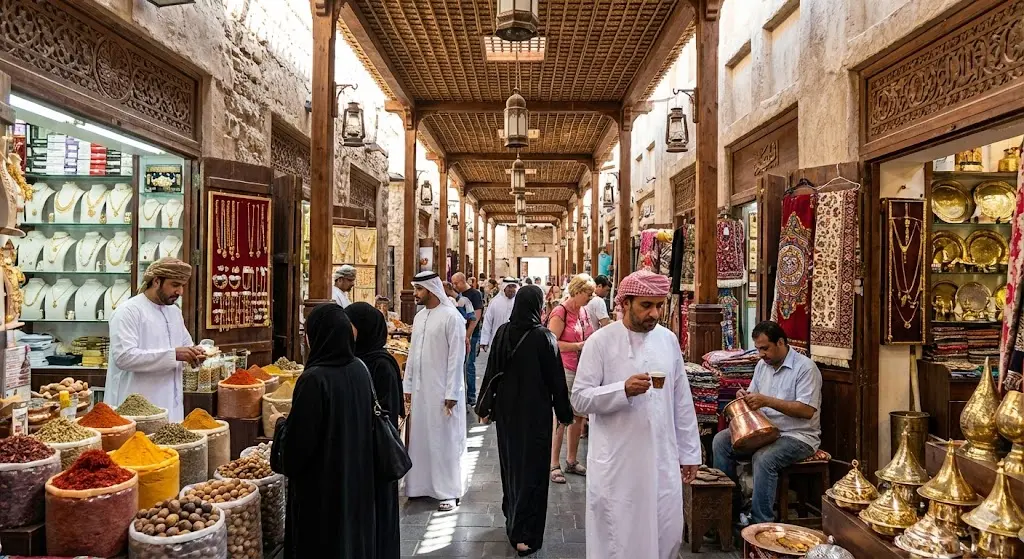
The bustling souqs of the Gulf are more than just marketplaces; they are vibrant centers of culture, commerce, and community. From the aromatic spices of Mutrah Souq in Oman to the shimmering gold of Dubai Gold Souq, these traditional markets offer a window into the region’s history and daily life. Visiting a Gulf souq is not merely a shopping trip—it’s an immersive experience that engages all the senses, blending centuries-old traditions with the rhythms of modern commerce.
Morning: The Souq Awakens
A traditional Gulf souq typically begins its day in the early morning. Long before the sun rises to its peak, shopkeepers and traders prepare their stalls, arranging goods, dusting displays, and greeting early visitors. The air is filled with a mixture of scents: freshly ground spices, fragrant oud, and the salty tang of the nearby sea in coastal markets.
In the spice section, vibrant piles of turmeric, saffron, cinnamon, and sumac are carefully arranged to catch the eye. Traders often use wooden scoops to show customers the quality of their products, while the air hums with the sound of merchants negotiating with buyers. Bargaining is an art form in Gulf souqs, requiring patience, tact, and a keen sense of value. For visitors, this is both a cultural lesson and an engaging activity—learning how to negotiate respectfully is part of the authentic souq experience.
Midday: The Heartbeat of Commerce
By mid-morning, the souq reaches its full rhythm. Locals and tourists alike wander the narrow alleys, weaving between stalls and soaking in the atmosphere. Traditional handicrafts take center stage, with artisans demonstrating skills passed down through generations. You may witness metalworkers shaping intricate jewelry, weavers creating handwoven textiles, or carpenters carving wooden furniture with meticulous precision.
One of the defining features of Gulf souqs is the Gold Souq. Here, displays glitter under the sunlight, showcasing gold in every conceivable form: delicate necklaces, bold bracelets, and intricately designed rings. Traders proudly exhibit their wares, offering certificates of authenticity, and discussing craftsmanship in detail. Visitors can observe the art of weighing gold, a meticulous process often accompanied by traditional tools that have been used for decades.
Food stalls and small cafés begin to bustle as well. The aroma of fresh bread, dates, and traditional Gulf coffee fills the air. For many shoppers, a midday break includes sampling local delicacies, such as saffron-infused desserts, grilled meats, or sweet pastries. These culinary experiences are integral to the souq, highlighting the region’s rich gastronomic heritage.
Afternoon: Cultural Exchange and Exploration
As the day progresses, the souq transforms into a cultural hub. Tourists seek souvenirs, while locals continue their daily shopping, creating a dynamic blend of tradition and modernity. Souqs are not only about commerce—they are centers of storytelling and cultural exchange. Each stall has a history, and traders often share tales of family traditions, sourcing journeys, and the significance of their products.
Traditional textiles, such as hand-embroidered abayas or colorful shawls, reflect the region’s artistic heritage. Leather goods, perfumes, and ceramics are often crafted with techniques that have been refined over generations. Observing these practices offers a glimpse into the dedication and craftsmanship that define the Gulf’s artisanal economy.
Souqs are also social spaces. Elderly men gather in shaded corners to discuss news and politics, while children run through the alleyways, fascinated by the colors and sounds. Musicians or performers occasionally add to the lively atmosphere, showcasing traditional music or calligraphy demonstrations, creating an immersive cultural tapestry for visitors.
Evening: Winding Down and Reflection
As the sun begins to set, the pace of the souq slows. Traders tally sales, secure their wares, and prepare for the next day. The golden hour bathes the market in warm light, enhancing the beauty of hand-crafted goods and the architectural details of the stalls. Many visitors take this time to capture photographs, reflecting on the day’s experiences and the vibrant life of the marketplace.
Evening in the souq often includes a quiet stroll through sections less frequented by tourists. Here, one can find small, hidden shops offering rare antiques, traditional spices, or handcrafted jewelry. These corners reveal the depth and diversity of the souq, offering unique items that tell stories of the region’s heritage.
For locals, the souq remains a vital part of daily life, sustaining livelihoods and nurturing community bonds. The rhythmic cycle of a day in the souq—opening, bustling, and closing—mirrors the broader rhythm of Gulf life, where commerce, culture, and social interaction are intertwined.
The Significance of Gulf Souqs Today
Despite the rise of modern malls and online shopping, traditional Gulf souqs continue to thrive. They are living museums, preserving customs and crafts that might otherwise be lost to modernization. They provide a sensory and educational experience, connecting visitors to the region’s history and traditions.
Visiting a Gulf souq is more than buying goods—it is a chance to understand the social fabric, the artistry, and the values of a community. The experience of bargaining, observing skilled artisans, and sampling local delicacies offers a richness that cannot be replicated in a modern shopping mall.
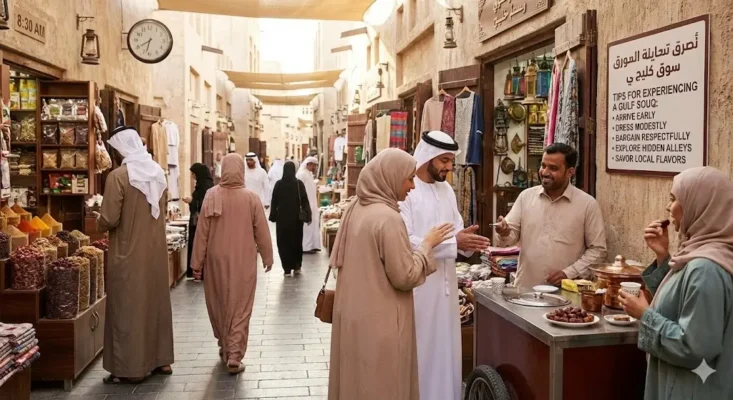
Tips for Experiencing a Gulf Souq
-
Arrive Early: Early mornings offer a quieter, more authentic experience before the crowds arrive.
-
Dress Comfortably: Loose, modest clothing helps navigate crowded alleys comfortably.
-
Engage Respectfully: Bargaining is expected, but always approach it with politeness and a smile.
-
Explore Beyond the Main Stalls: Hidden alleys often contain unique goods and artisanal items.
-
Savor the Local Cuisine: Don’t miss the opportunity to try traditional snacks and coffee.
Conclusion
A day in the life of a traditional Gulf souq is an immersive journey through culture, history, and commerce. From the early morning setup to the evening reflections, every moment in the souq offers a story—of craftsmanship, community, and continuity. For travelers and locals alike, it is a reminder that markets are not just about transactions; they are about connection, tradition, and the human experience.
Whether you are drawn to the spices, gold, textiles, or simply the vibrant atmosphere, a Gulf souq offers an unforgettable experience that captures the heart and soul of the region.
Been playing on royalwin for a while now and I have to say, their customer support is top-notch. Quick responses and helpful answers. Big thumbs up!
C54game is the next target. Ready to test my strategy on the games, aiming for jackpot. Time to strategize! Click here c54game
Heard good stuff about HM88asia here. Gonna compare the odds and bonuses like the pros. Checking it now! Explore the possibilities hm88asia