A Journey Through Time in the Heart of Sharjah’s Desert
Tucked away amid the rolling dunes and rugged rock formations of Sharjah’s central region lies Mleiha, one of the UAE’s most remarkable archaeological and eco-tourism destinations. About a 90-minute drive from Dubai, the Mleiha Archaeological Centre offers visitors an extraordinary opportunity to travel thousands of years back in time — to an era when ancient civilizations thrived in what is now desert. More than just a museum or desert retreat, Mleiha represents a living connection between the past and present, combining archaeology, adventure, and natural beauty in one captivating experience.
A Window Into Prehistoric Arabia
The story of Mleiha begins long before the rise of modern cities or even early empires. Archaeological excavations in the region have unearthed artifacts dating as far back as the Palaeolithic era (over 125,000 years ago). Stone tools, pottery fragments, and remnants of ancient dwellings reveal that this area was once home to some of the earliest human communities in Arabia. Over the centuries, Mleiha developed into a prosperous settlement that played an important role in regional trade, connecting the Arabian interior to coastal ports and neighboring civilizations.
The discovery of Bronze Age tombs, Iron Age forts, and pre-Islamic burial sites has made Mleiha one of the UAE’s most important archaeological zones. Among its most significant findings are the horse and camel graves—a rare glimpse into the burial practices of early desert cultures. These discoveries, meticulously preserved and displayed within the Mleiha Archaeological Centre, have earned the site recognition from UNESCO as part of Sharjah’s ongoing efforts to safeguard its ancient heritage.
The Mleiha Archaeological Centre Experience
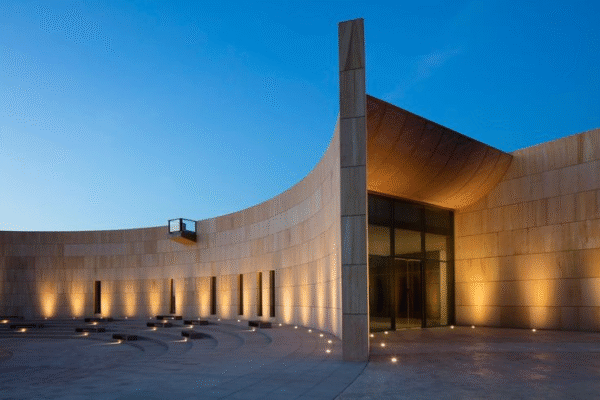
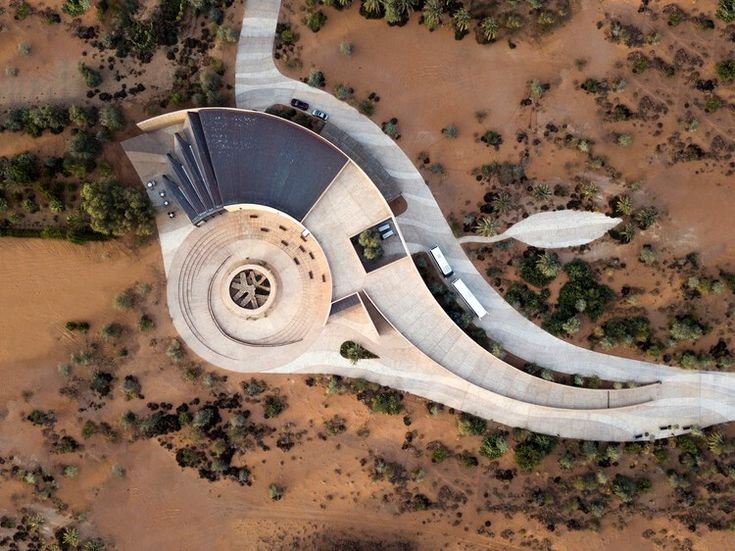
Opened in 2016 under the patronage of the Sharjah Investment and Development Authority (Shurooq), the Mleiha Archaeological Centre was designed to bring this ancient history to life through interactive exhibits and guided explorations. The centre’s architecture blends seamlessly with the surrounding desert — its earth-toned walls, glass façades, and minimalist interiors reflecting both tradition and modernity.
Inside, visitors are guided through a chronological journey of human development in the region. Detailed exhibits showcase prehistoric fossils, ancient tools, and artifacts from the Bronze and Iron Ages, each supported by multimedia presentations that explain how early inhabitants adapted to life in the harsh desert environment. The centre also highlights Mleiha’s role as part of the ancient trade routes that connected southern Arabia to Mesopotamia, Persia, and India — long before the rise of Islam.
But what truly sets Mleiha apart is that the experience extends far beyond the museum walls. Visitors are encouraged to explore the surrounding archaeological sites and natural landmarks with expert guides who narrate the stories of these ancient landscapes. Walking or driving through the desert, you can see the very locations where early people hunted, lived, and buried their dead.
Exploring Fossil Rock and Camel Rock
Two of Mleiha’s most iconic natural landmarks are Fossil Rock and Camel Rock — both of which add a geological and scenic dimension to the archaeological journey.
Fossil Rock, as its name suggests, is a towering limestone formation embedded with marine fossils dating back over 80 million years, when much of this area was submerged beneath a prehistoric sea. Climbing to its summit offers sweeping views of the desert and an almost surreal sense of time — from oceanic depths to arid dunes. The fossilized shells and corals visible in the rock face are a silent reminder of the Earth’s dramatic transformations.
Nearby, Camel Rock is another striking formation, naturally shaped by wind erosion into the likeness of a resting camel. It has become a popular stop for photographers, off-road enthusiasts, and stargazers. As the sun sets, the orange and pink hues reflecting off the sandstone cliffs create a mesmerizing panorama, making it one of Sharjah’s most photographed natural wonders.
Adventure in the Desert
Mleiha is not just about archaeology; it’s also a destination for adventure and eco-tourism. The centre organizes a wide range of outdoor activities that allow visitors to engage directly with the desert environment. You can embark on guided hikes, mountain biking trails, or 4×4 dune drives that traverse the golden sands and rocky plateaus surrounding the archaeological zone. For those seeking a slower pace, horseback and camel rides offer a traditional way to explore the landscape.
One of Mleiha’s most magical experiences is its stargazing program. Thanks to its remote desert location, far from the glare of city lights, Mleiha boasts some of the clearest night skies in the UAE. Visitors can join evening sessions led by trained astronomers who use telescopes to reveal the wonders of the Milky Way, planets, and distant galaxies. Combining ancient history with cosmic exploration, this activity perfectly encapsulates Mleiha’s blend of science, culture, and nature.
Preserving Heritage and Promoting Sustainability
Beyond its visitor appeal, the Mleiha Archaeological Centre plays a crucial role in preserving the UAE’s cultural and environmental heritage. Excavations are conducted in collaboration with international archaeologists, ensuring that discoveries are studied and documented with the highest scientific standards. The centre also promotes community involvement and education through school programs, workshops, and public lectures aimed at inspiring the next generation to value their heritage.
Sustainability is another cornerstone of Mleiha’s mission. Efforts have been made to minimize environmental impact by using eco-friendly materials, limiting vehicle access in sensitive areas, and promoting awareness about desert conservation. These initiatives align with Sharjah’s broader commitment to sustainable tourism and cultural preservation under the vision of His Highness Sheikh Dr. Sultan bin Muhammad Al Qasimi, Ruler of Sharjah.
Visitor Information
The Mleiha Archaeological Centre is open year-round, with general entry fees ranging between AED 25–30, depending on selected tours or experiences. Facilities include a café with panoramic desert views, a souvenir shop selling locally inspired crafts, and visitor amenities that make it a comfortable stop for families and travelers. The best time to visit is between October and April, when the weather is cooler and outdoor activities are most enjoyable.
A Journey Worth Taking
Whether you are a history enthusiast, an adventurer, or simply someone seeking tranquility away from the city, Mleiha offers a rare combination of experiences. It is a place where the footprints of ancient civilizations meet the untamed beauty of the desert, where every rock and fossil tells a story millions of years in the making. In a region often associated with modern skyscrapers and luxury, Mleiha stands as a powerful reminder that the Arabian Peninsula’s greatest treasures lie not only in its future — but deep within its timeless sands.